
Searching for “group meals dietary needs Da Nang” often begins with a familiar challenge: organising food for people who enjoy travelling together but eat differently. Some guests may be vegetarian, children may prefer familiar flavours, and others may need particular ingredients excluded. At Hanami Villa Danang, we believe shared meals should help everyone feel included. Join us as we explore how to gather dietary information, plan flexible menus and communicate clearly with food providers. With thoughtful preparation and the right questions, your group can spend less time negotiating meals and more time enjoying them together.
Ask about food requirements before planning the menu
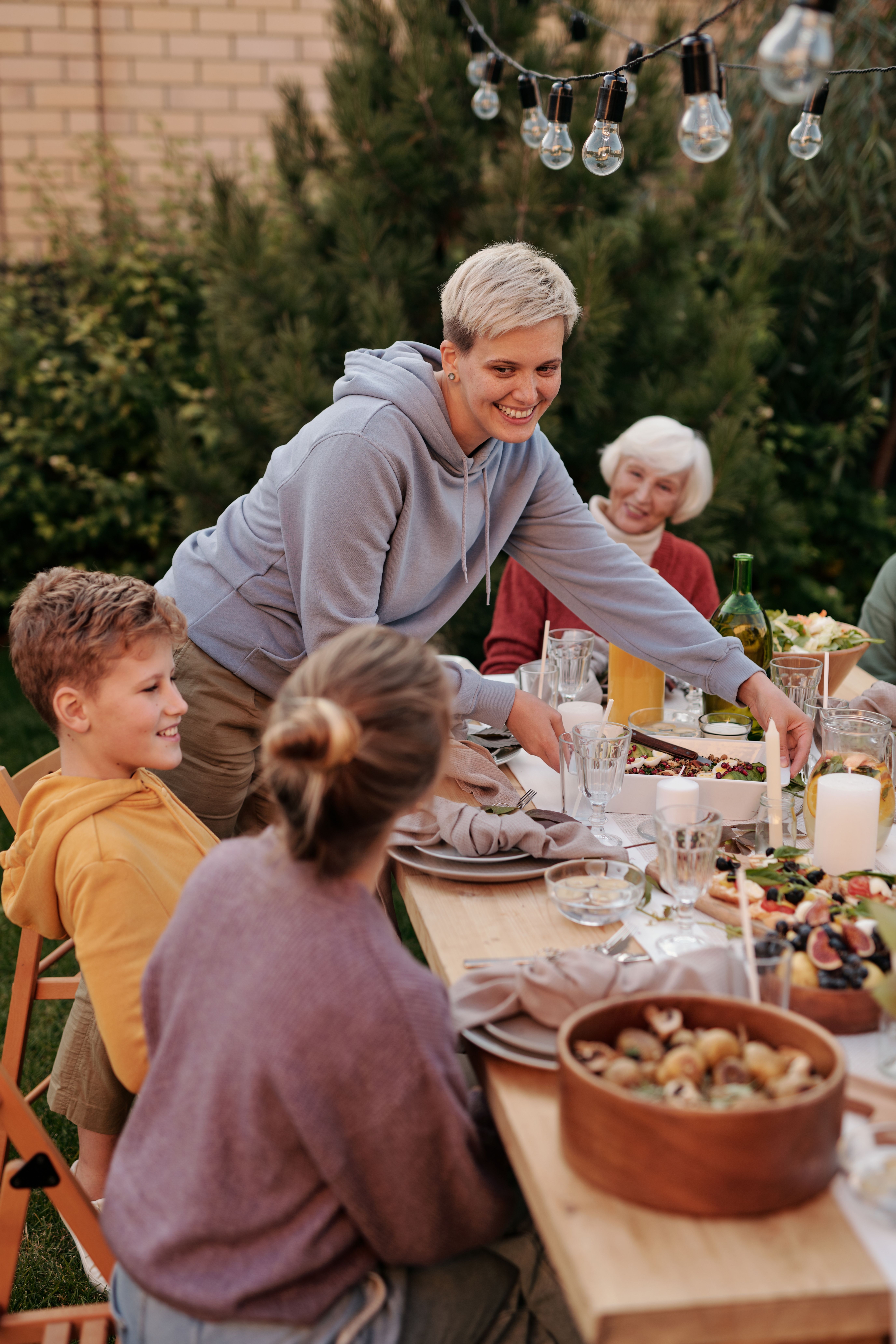
Begin with a short message to every household rather than asking one person to speak for the whole group. Request information about vegetarian or vegan diets, allergies, intolerances, religious requirements and children’s preferences. Ask guests to describe what they avoid and any preparation requirements that matter to them. Familiar labels can mean different things to different people, so specific answers are more useful than assumptions. Keep the information in one shared planning document, with permission from those concerned. Update it if the guest list changes, and identify who should answer questions about each person’s requirements.
Distinguish preferences from ingredients that must be excluded
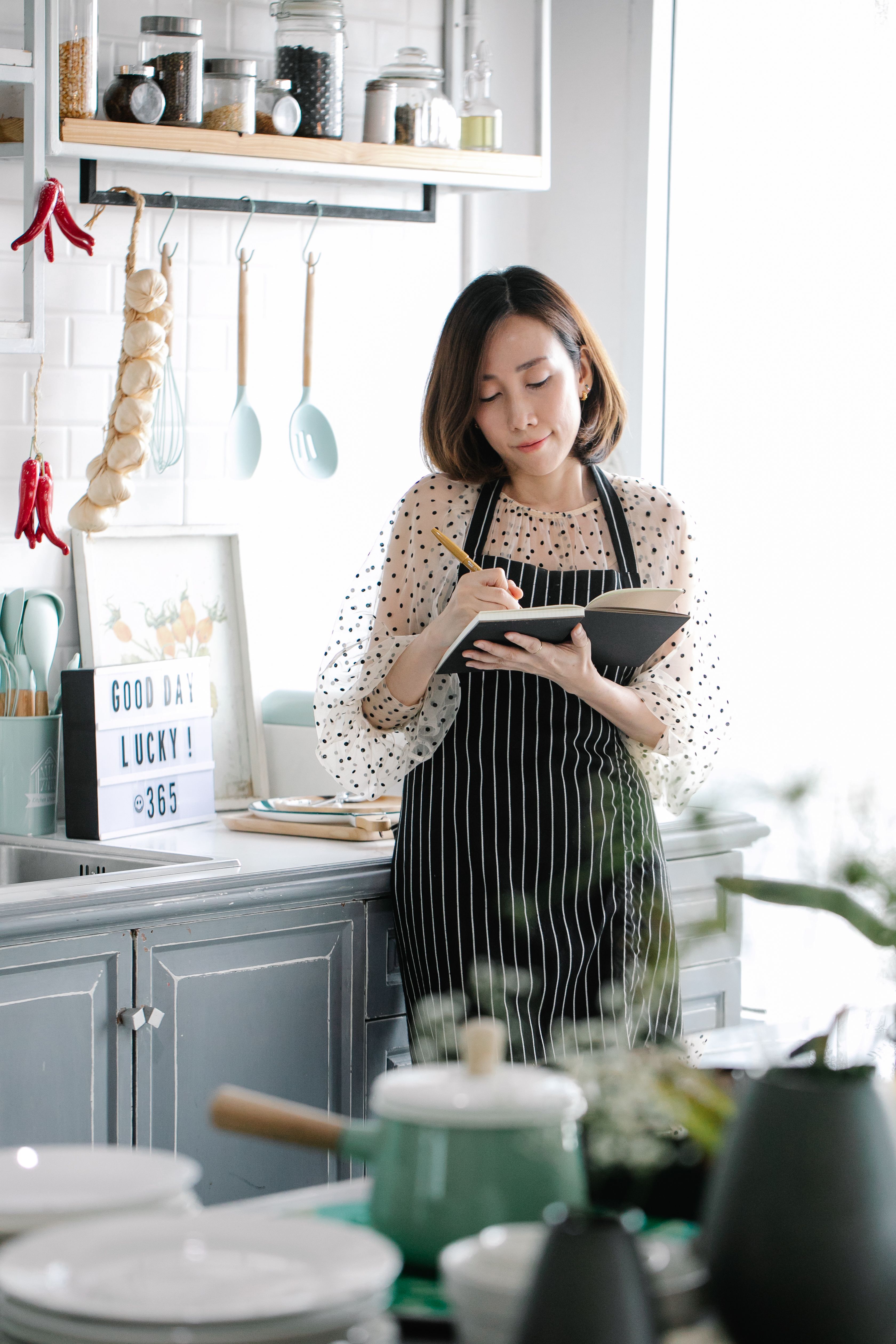
A dislike of spicy food and a requirement to exclude a particular allergen need different conversations with a cook or restaurant. Record essential exclusions clearly, without allowing them to disappear among general preferences. Ask the guest concerned to explain their requirements in their own words and confirm the final information before sharing it. Avoid promising that a dish will be suitable simply because its main ingredients look familiar. The preparation method, sauces and utensils may also matter. Clear distinctions help food providers understand which requests offer flexibility and which need a definite answer before an order proceeds.
Understand how the villa’s kitchens support shared dining
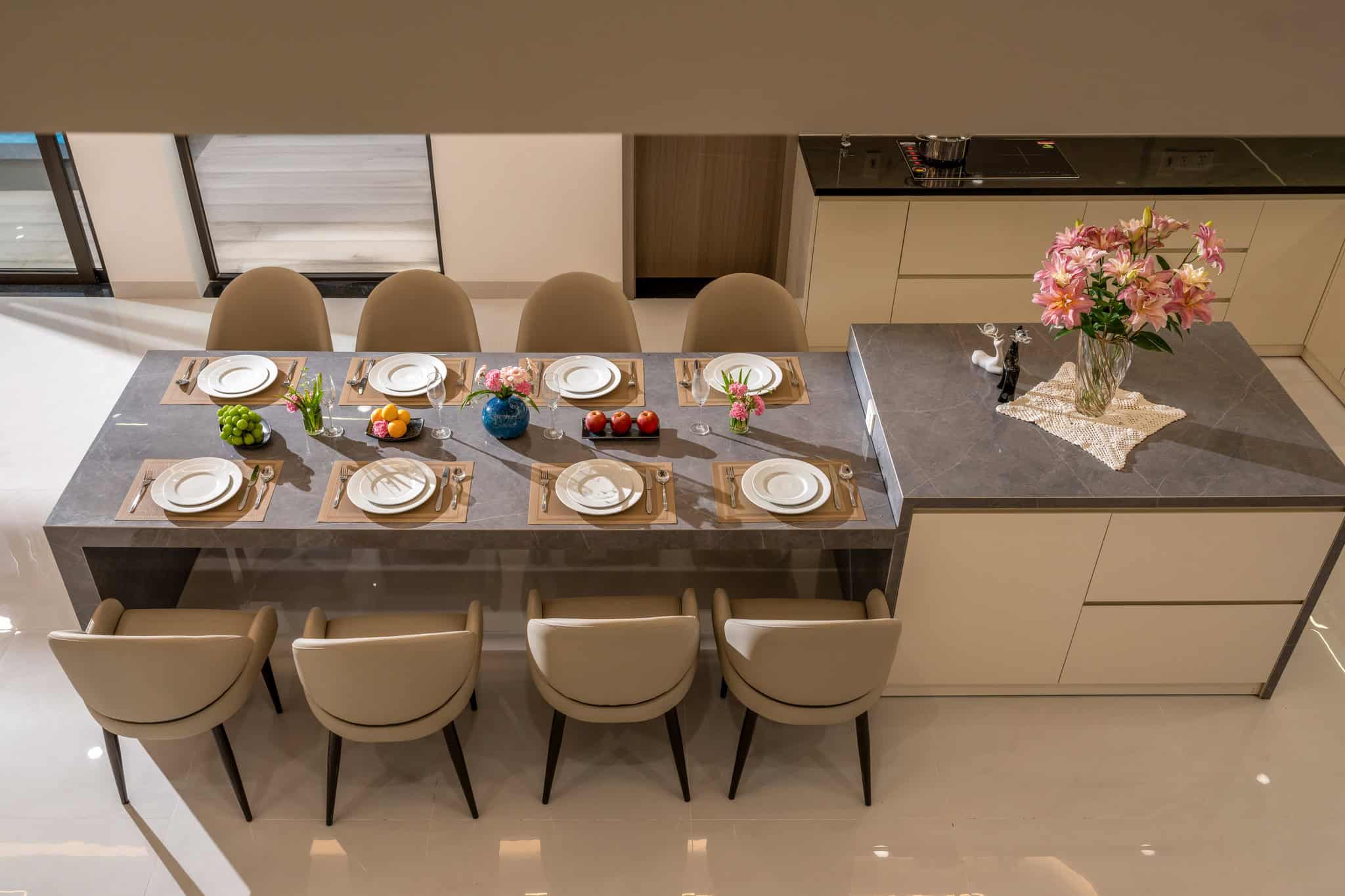
Hanami Villa Danang has two kitchen areas that give groups flexibility around meals. The main kitchen includes an oven, microwave and dishwasher, while the third-floor kitchen and beverage area has a dishwasher and drink-preparation utensils. This arrangement can support breakfasts, simple lunches and relaxed evenings together. However, two kitchen areas should not be assumed to offer identical equipment or separate facilities for every dietary requirement. Ask our team about the actual setup before planning substantial cooking. Explain what you intend to prepare, how many people will eat and whether particular utensils or storage arrangements are important.
Plan meals around flexibility rather than one perfect dish

A menu with separate components often accommodates different preferences more easily than a single mixed dish. For example, your group might serve rice, vegetables and separately prepared protein options, with clearly identified sauces offered individually. This lets guests build meals around suitable choices, provided ingredients and preparation have been checked. Keep the menu manageable: a few carefully planned dishes can be more practical than several complicated alternatives. For guests with essential exclusions, discuss whether separate preparation is required. An adaptable menu should make choices clearer without suggesting that removing a visible ingredient automatically makes the remaining food suitable.
Give vegetarian and vegan meals equal attention
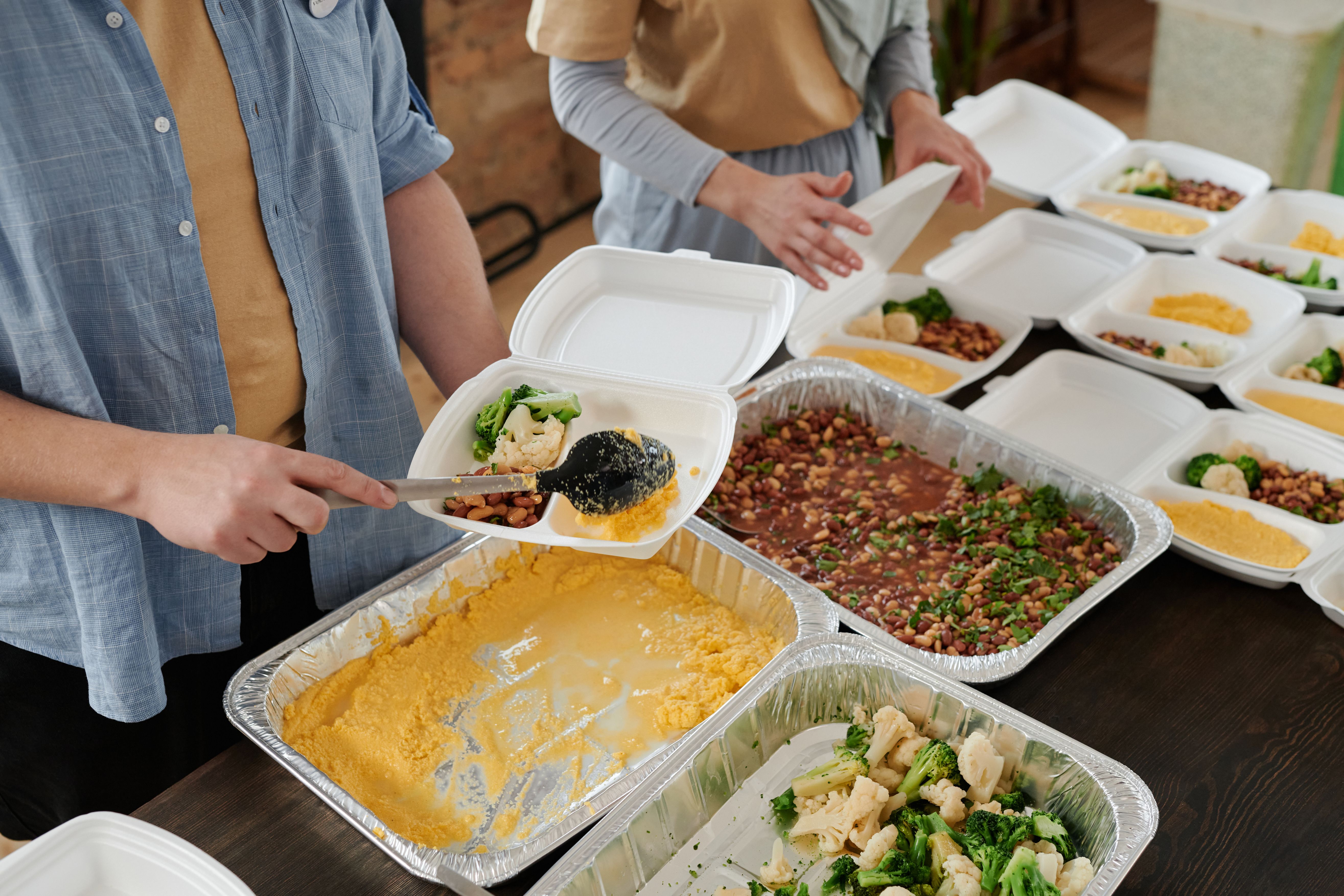
Ask vegetarian and vegan guests which ingredients they exclude rather than relying on a broad menu description. A vegetable dish may still contain an animal-based stock, sauce or topping, and those details need checking with whoever prepares it. Plan a satisfying main option instead of assuming guests will be comfortable eating only side dishes. Discuss preferred ingredients and familiar meals before shopping, then verify packaged products and seasonings. If ordering food, request a clear description of the complete preparation. The most welcoming approach gives everyone a considered meal while keeping communication specific enough to avoid misunderstandings.
Keep children’s meals familiar without limiting everyone else
Parents can usually identify a few dependable foods and explain how their children prefer them served. Ask about textures, seasoning, portion sizes and usual meal times before deciding on the shared menu. A familiar component alongside the main meal may be easier than preparing an entirely separate dinner. Keep stronger sauces and additional seasoning separate where practical, allowing other guests to adjust their own food. Avoid ordering large quantities solely on the assumption that every child eats the same amount. A flexible plan leaves room for changing appetites after outings, naps or a busy afternoon at the villa.
Make ingredient checks part of every food order
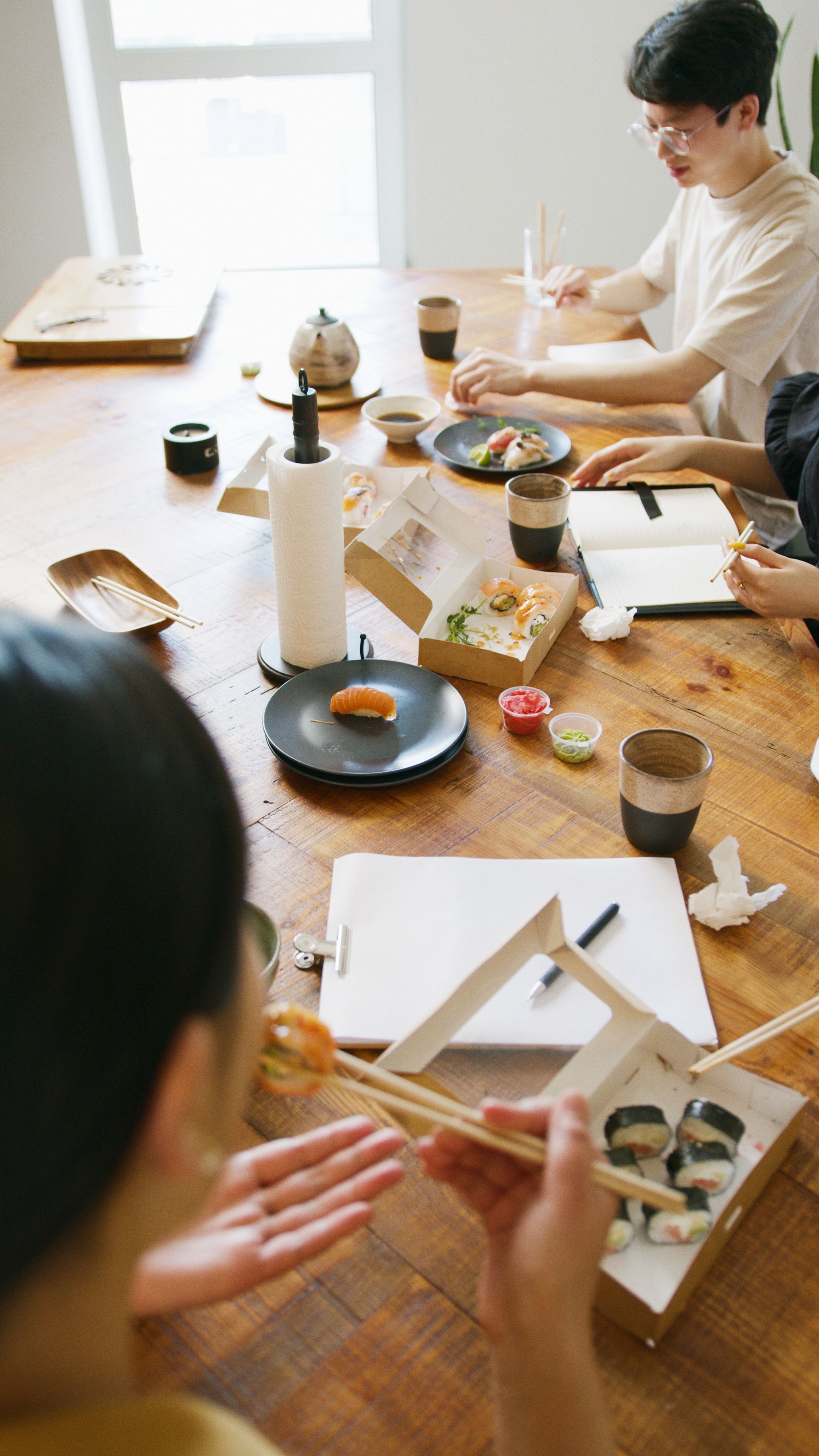
When speaking with a restaurant, caterer or cook, identify the specific ingredients that need checking and ask about the complete dish. Include sauces, marinades, stocks, garnishes and accompaniments in the conversation. Request clarification if an answer is uncertain, and avoid treating the absence of an ingredient from the menu description as confirmation. For packaged foods, keep the original labels available so guests can review them. A translated written note can help communication, but the guest concerned should confirm that it expresses their needs accurately. The purpose is a clear exchange with the provider, rather than an assumption based on a dish’s name.
Discuss shared utensils and preparation surfaces
Ingredient checks are only part of the planning when a guest needs food prepared separately. Ask the food provider about chopping boards, knives, pans, serving utensils and preparation surfaces, including whether equipment is shared. At the villa, agree on clearly identified utensils and an appropriate preparation sequence where needed. A shared kitchen should not be described as an allergen-free environment without a specific basis. If the available arrangements cannot meet a guest’s requirements, discuss another meal option directly with that guest. Adding separate containers or suitable utensils to your villa holiday packing list may help when a particular need has been confirmed.
Shop from a menu that the group has already agreed
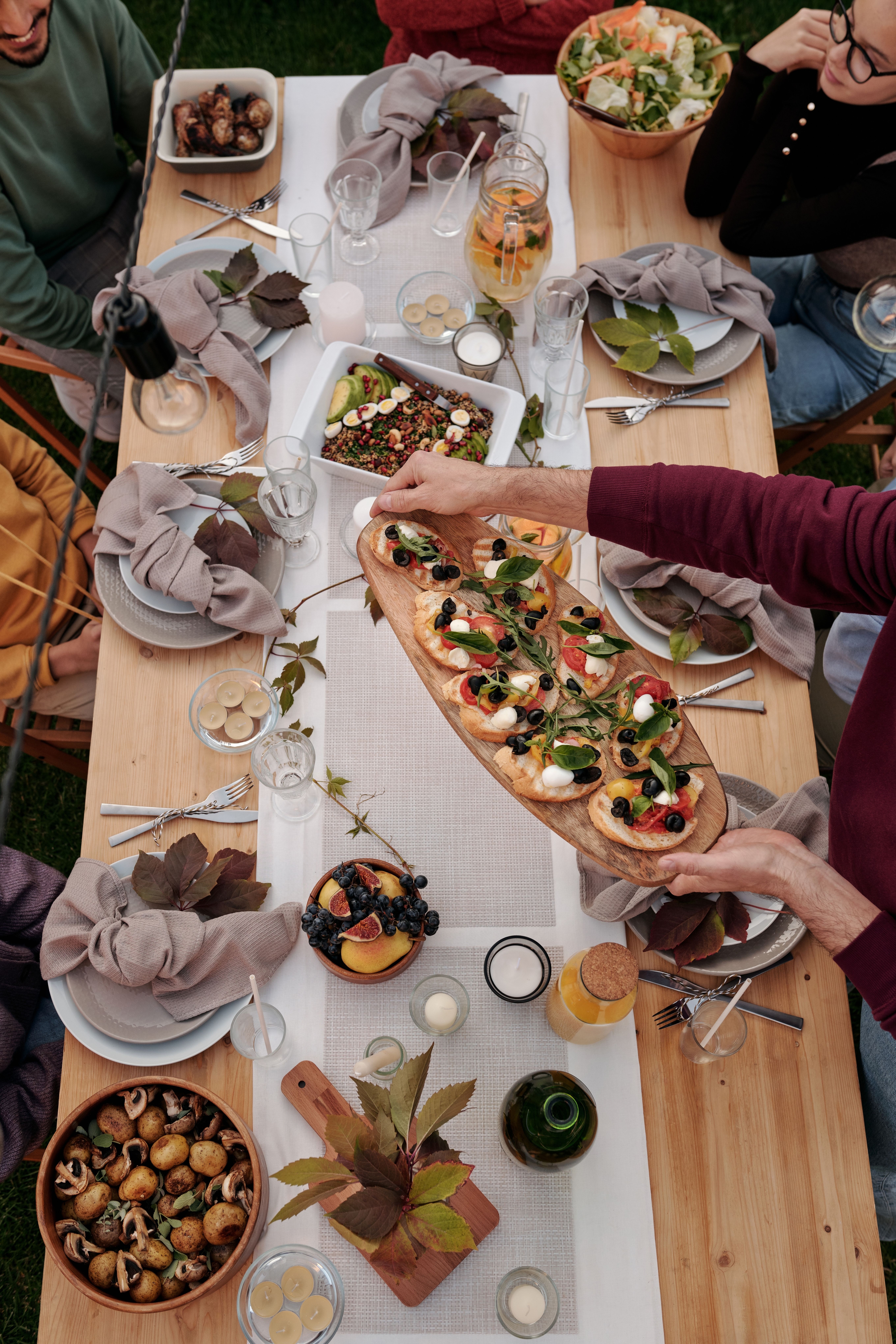
Create your grocery list after deciding which meals you will prepare and how many people will join each one. Organise purchases around shared staples, ingredients for planned dishes and personal items that should remain separate. Buy modest quantities at first, especially if the group also expects to eat out. Check product labels each time rather than assuming similar packaging means identical ingredients. Keep any necessary ingredient information until the food has been used. Assign one or two people to coordinate shopping, giving them the agreed requirements so that substitutions are discussed instead of made casually at the shelf.
Label food so guests can choose with confidence
Simple labels can make a shared refrigerator and dining table easier to navigate. Identify personal items, separately prepared dishes and food reserved for a particular guest. Where ingredients matter, provide a clear description rather than a vague label such as “special meal.” Keep serving utensils with their intended dishes and ask guests not to move them between plates. Labels should communicate information that has actually been checked; they should not imply guarantees beyond the preparation arrangements. This small amount of organisation is particularly useful when several people cook, shop or help serve food during a longer stay.
Give restaurants and caterers enough information to respond
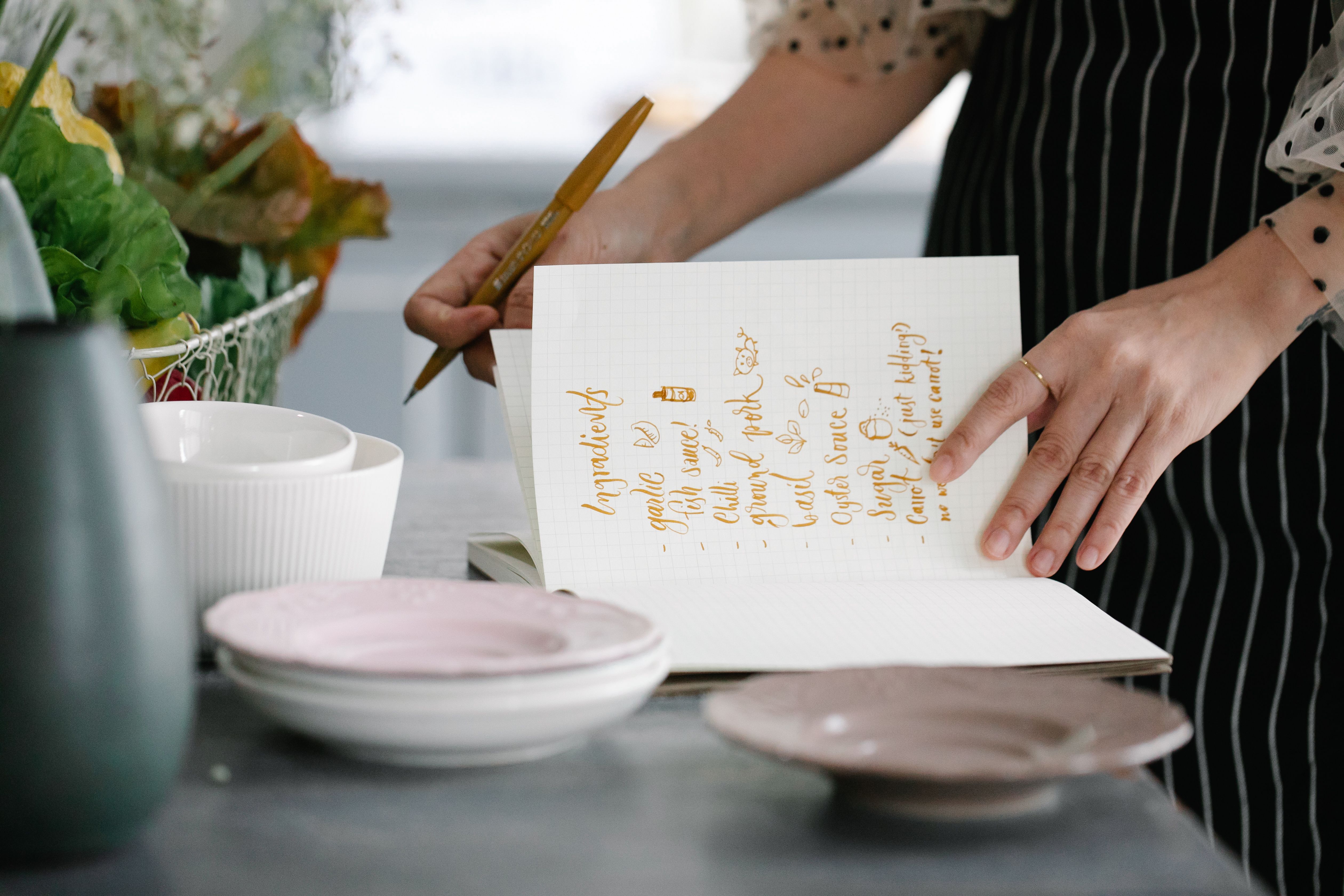
For a larger order, send the guest count, meal date, preferred serving time, budget and dietary requirements together. Ask the provider to confirm which dishes can be accommodated and which requests they cannot meet. Written confirmation is useful when several meals or alternatives are involved, but follow up on unclear answers before paying. Specify how separately prepared meals should be packaged and identified. If there are substitutions, ask to approve them in advance. A well-prepared enquiry gives the provider a practical opportunity to assess the request and helps your group avoid discovering important limitations when the food arrives.
Coordinate delivery and serving without creating confusion
Choose one person to communicate with the food provider and another to organise the dining area if needed. Check the order when it arrives, particularly separately packed meals, and resolve unclear labels before serving. Keep the accompanying ingredient information available for guests who need to review it. Ask how the food should be handled and when it is intended to be eaten, especially if delivery precedes the meal. Confirm practical receiving arrangements with the villa team rather than assuming someone will accept every order. Clear coordination allows the group to settle around the table without several conflicting conversations.
Approach a rooftop BBQ with the same care
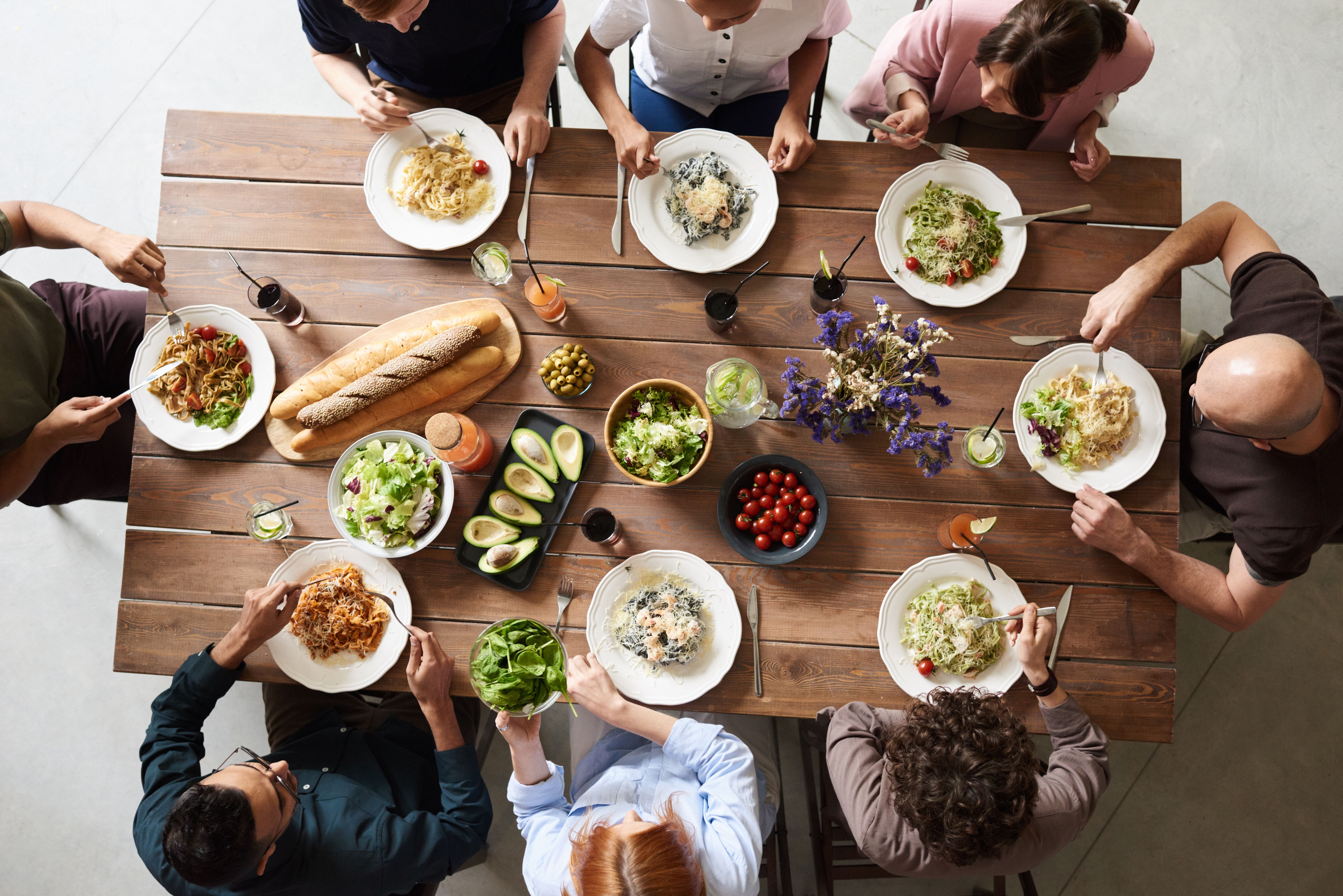
A BBQ evening at Hanami Villa can bring the group together, but shared grills, marinades and utensils need attention when dietary requirements differ. Confirm the equipment, permitted fuel, usage hours and cleaning arrangements with our team before buying ingredients. Discuss whether the available setup can support any required separation, rather than assuming different food can simply occupy opposite ends of the grill. Prepare a menu that matches those practical conditions, with clear serving arrangements. If a guest’s requirements cannot be met through the BBQ setup, agree on a suitable separately prepared meal before the evening begins.
Divide meal responsibilities and spending fairly

Shared dining works best when the planning, shopping and clearing up do not fall repeatedly to one person. Assign manageable roles and decide which costs belong in the communal budget. Personal extras, alcoholic drinks and meals eaten independently can remain separate, while agreed shared groceries follow the group’s chosen split. Discuss specialist ingredients respectfully instead of making assumptions about who should cover them. Keep receipts and adjust quantities as you learn what the group actually eats. A fair arrangement recognises both money and effort, allowing the people preparing meals to enjoy the holiday alongside everyone else.
Share your dining plans before booking your stay
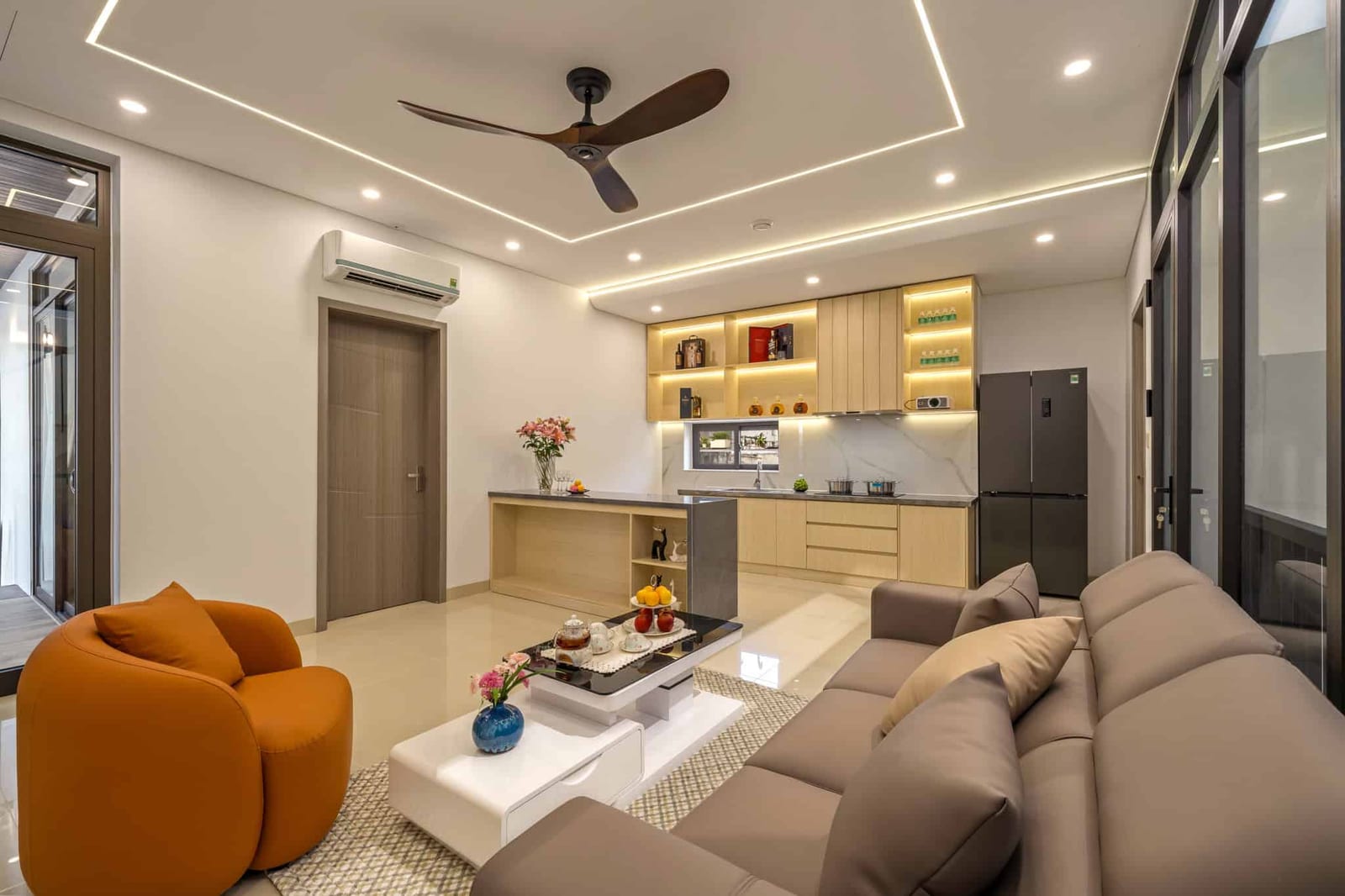
Hanami Villa Danang offers six bedrooms and eight large beds within approximately 600 square metres, providing a private setting for families and friends to spend time together. When enquiring, describe your group size, intended meals and any kitchen requirements that influence your choice. Ask about the available equipment and whether proposed catering or outside-cook arrangements are permitted and can be supported. Kitchen access does not automatically include groceries, a chef or specialist dietary preparation. By discussing these details with our Nami Stay team beforehand, you can build your plans around the property’s actual facilities and confirmed arrangements.
- Address: 276/7 Ngu Hanh Son, Danang, Vietnam
- Phone: 0905 432 992
Make shared meals a highlight of your holiday
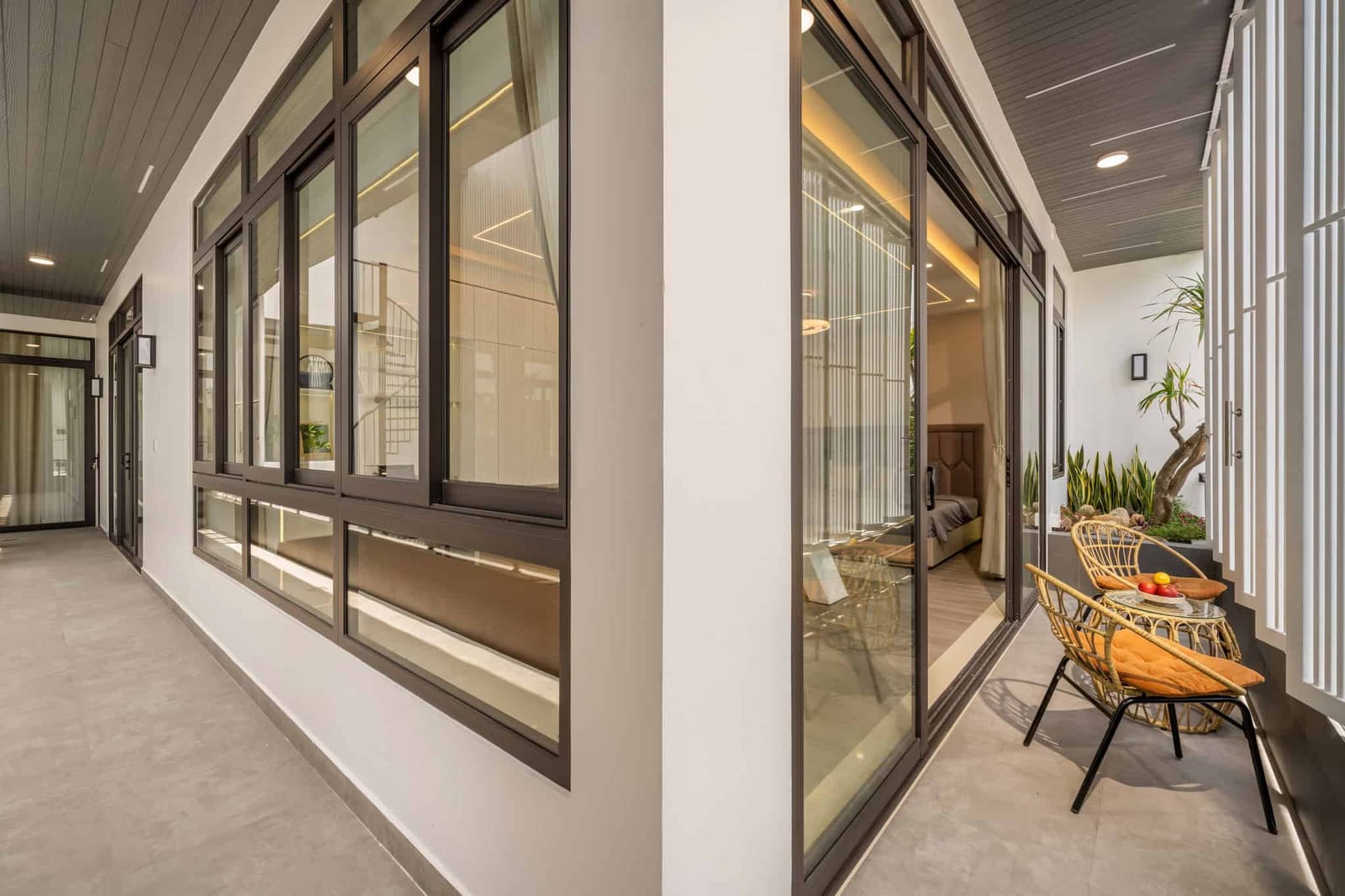
Planning “group meals dietary needs Da Nang” becomes more manageable when you begin with people’s actual requirements and turn them into clear menus, shopping lists and provider conversations. Check ingredients, discuss preparation and keep essential food arrangements distinct from everyday preferences. At Hanami Villa Danang, we invite you to share your plans so we can explain the kitchen facilities and discuss practical questions before your stay. With those details considered, meals can become what your group hoped for: an opportunity to pause, reconnect and enjoy being together in Da Nang.


