How To Reduce Waste Group Villa Holiday

If “reduce waste group villa holiday” is on your planning list, the most useful changes begin with everyday decisions: what your group buys, how meals are organised and which items you bring from home. At Hanami Villa Danang, we invite you to discover practical ways to reduce unnecessary purchases and disposable supplies while enjoying time together. Our shared kitchens provide a setting for coordinated meals, and the property uses solar electricity as part of its energy supply. This guide focuses on actions guests can take themselves, keeping the approach manageable, comfortable and suited to a holiday.

Start with the way your group will spend its days

Before discussing groceries or reusable containers, look at your likely routine. How many breakfasts will happen at the villa? Will everyone join dinner, or will some guests explore restaurants independently? A group planning frequent outings needs different supplies from one intending to cook most meals at home. Leave flexibility for spontaneous plans rather than buying for every possible occasion. A short conversation about the first few days provides a useful starting point. You can adjust once everyone settles in, avoiding the familiar situation where a refrigerator fills with ingredients for meals that never actually happen.

Check what is provided before bringing duplicates
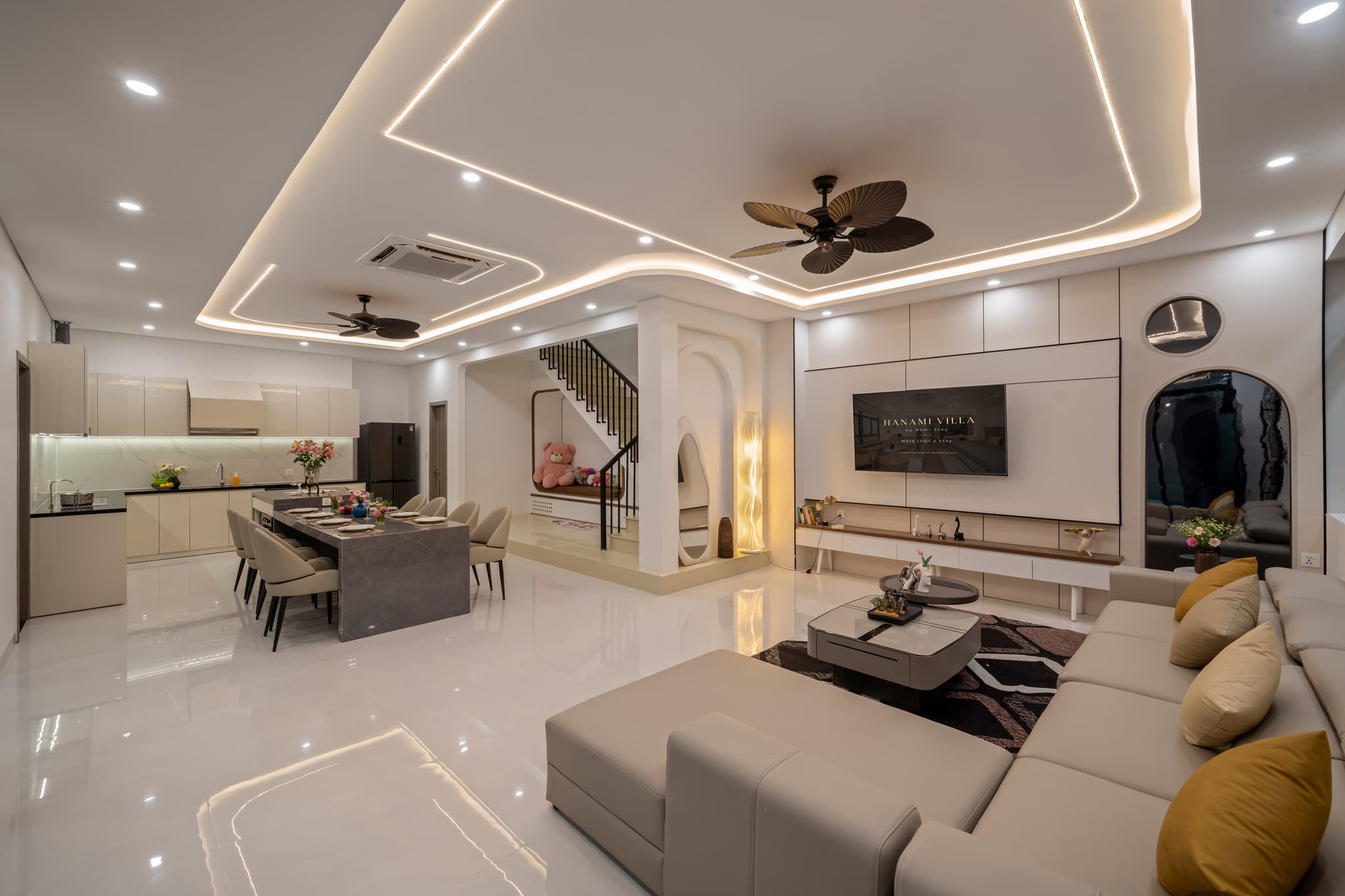
Ask our Nami Stay team about the kitchen equipment, tableware and everyday supplies available for your booking. Hanami Villa has two kitchen areas: the main kitchen includes an oven, microwave and dishwasher, while the third-floor kitchen and beverage area has a dishwasher and drink-preparation utensils. These confirmed facilities can support shared meals, but additional items such as storage containers, shopping bags or particular serving pieces should be checked separately. Knowing the inventory helps you prepare accurately. There is little benefit in transporting equipment that is already available or purchasing disposable alternatives before asking what your group can use.

Create one shopping list that everyone can see

A shared list prevents several guests from buying the same breakfast ingredients, snacks or household supplies. Use a simple note on a phone or a shared document, with one person coordinating the main grocery purchase. Separate communal items from personal preferences so that specialist products and individual treats remain easy to identify. Include quantities where possible, and check the list before each shopping trip. Guests can add requests without creating separate, overlapping orders. This approach makes spending clearer as well as reducing duplication, particularly when several households arrive at different times and naturally want to contribute something.

Check the kitchen before every grocery run

Make a quick inventory of food already purchased before heading out or placing an order. Look at opened products, fruit, bread and ingredients reserved for a planned meal. Move items that should be used sooner into a visible position, keeping any necessary labels and storage instructions intact. Ask the group whether tomorrow’s plans have changed before replenishing supplies. A small amount of coordination can prevent another carton, packet or bag from arriving while the previous one remains unfinished. It also helps whoever is cooking build a meal around what is available instead of starting from a completely new shopping list.

Plan a few flexible meals rather than a full holiday menu

Choose dishes that share ingredients and allow quantities to change. Vegetables purchased for dinner might also suit another planned dish, while a breakfast selection can be adjusted as the group discovers what people actually eat. Keep the menu broad enough to accommodate an evening out or a delivered meal without leaving a large stock of unused perishables. Discuss dietary requirements before buying so that suitable options are planned deliberately. Flexibility does not mean expecting everyone to eat the same thing. It means making purchases with a clear purpose and leaving space to adapt without wasting ingredients.

Serve smaller first portions and keep more available

Guests’ appetites vary with activities, mealtimes and personal preferences. Offer a modest first serving, with additional food available for anyone who wants it, rather than filling every plate automatically. For children, ask parents about suitable portions instead of assuming a full adult meal is necessary. Shared dishes can make this approach straightforward, provided serving utensils and dietary arrangements are considered. The goal is to give people enough to enjoy while reducing food abandoned on plates. A meal can still feel generous through variety, flavour and attentive serving, without preparing substantially more than the group expects to eat.

Order takeaway according to confirmed servings

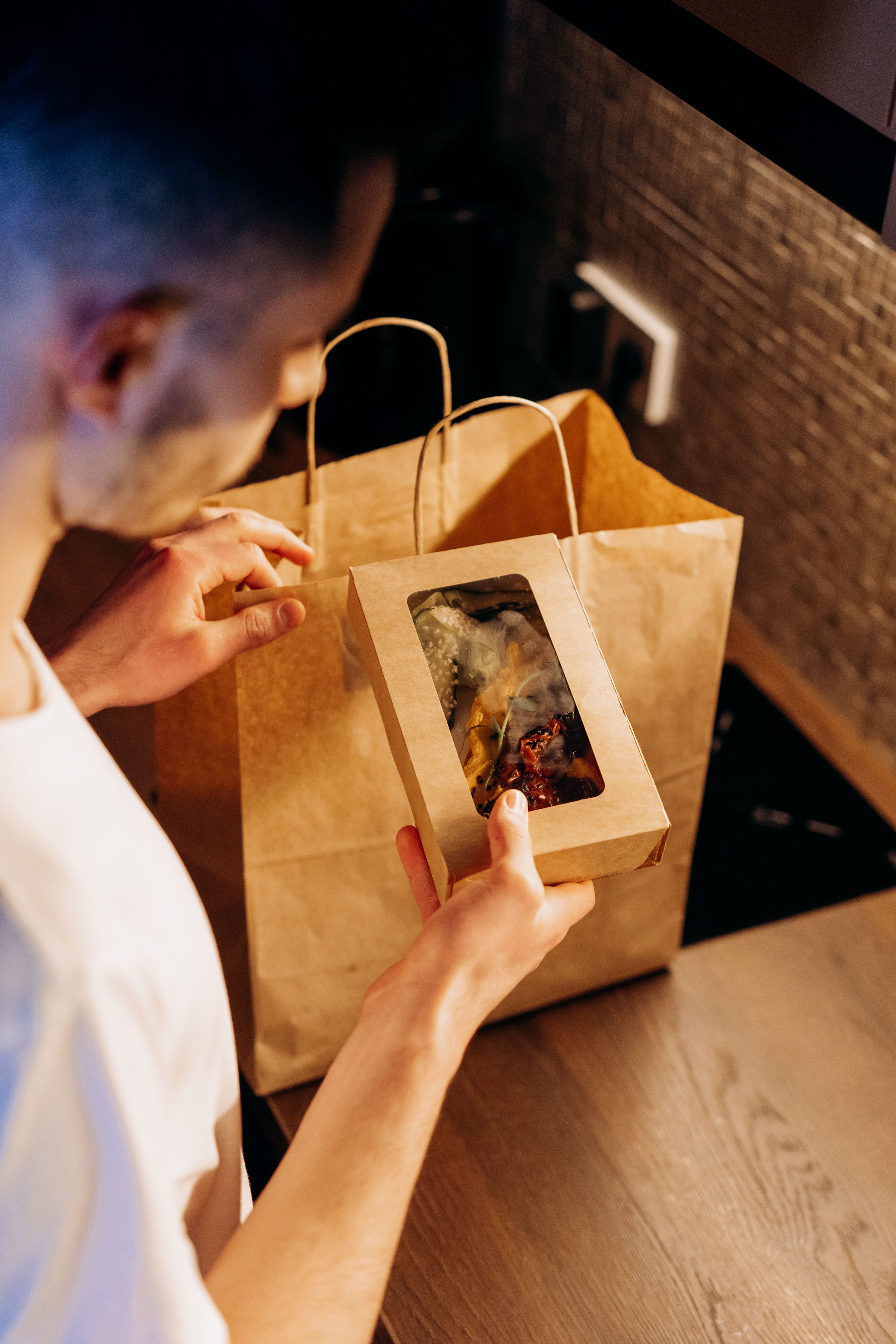
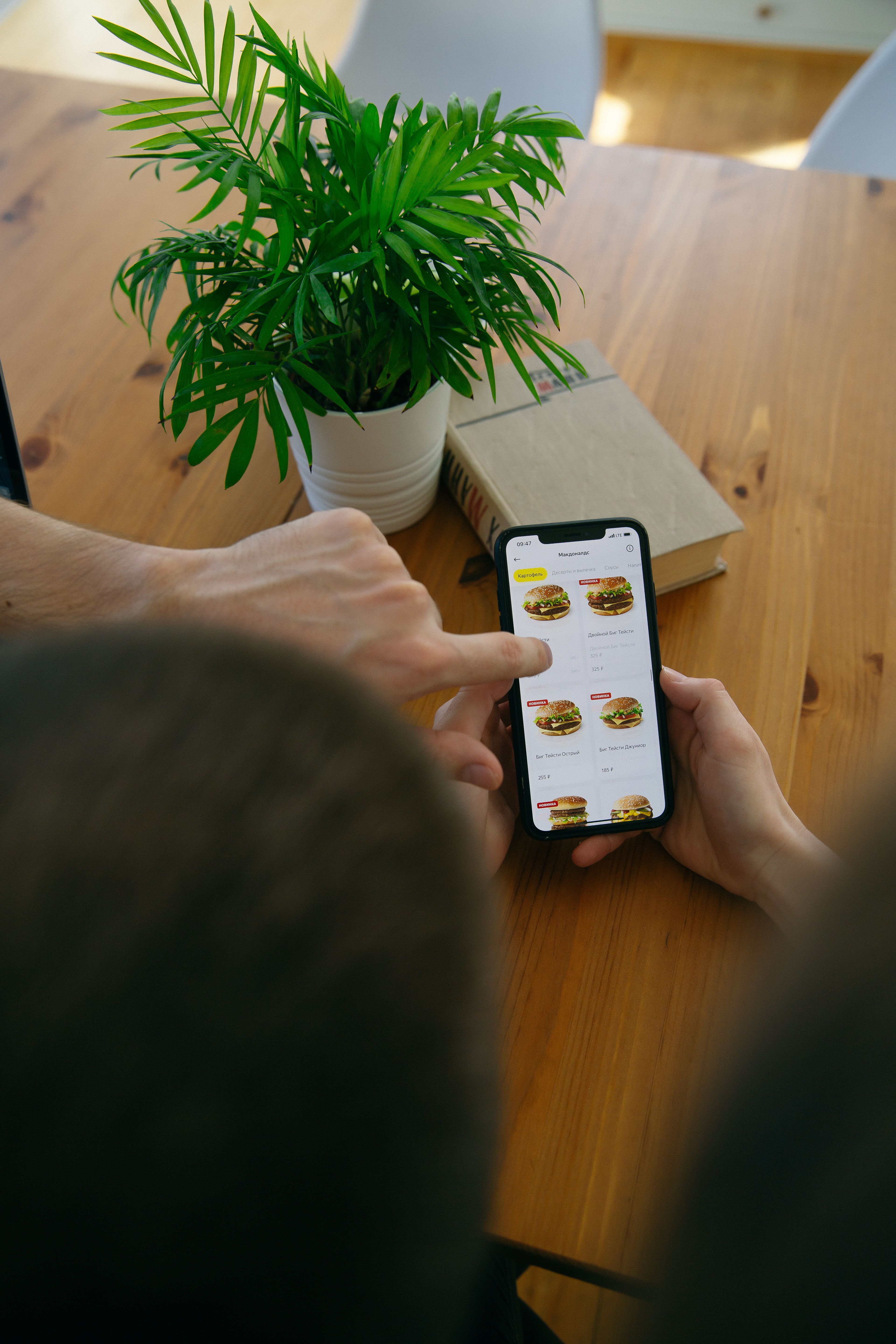
When ordering food, check whether dishes are individual portions or intended for sharing. Confirm whether rice, noodles, sauces and other accompaniments are included before adding extras. A photograph alone may not explain how much food will arrive. Collect everyone’s choices through one coordinator and review the complete order for duplication. If suitable tableware is available at the villa, decline disposable utensils where the ordering process allows it. Keep any dietary requirements clear throughout. A coordinated order can reduce unwanted side dishes, unnecessary packaging extras and the confusion that comes from several people buying food independently for the same meal.

Store food with a clear plan for using it

Follow product labels and appropriate storage instructions, keeping chilled foods refrigerated as required and raw ingredients separate from ready-to-eat items. Use suitable containers where available, and identify food that belongs to a particular guest. Avoid packing the refrigerator so tightly that items disappear behind newer purchases. Agree which ingredients are reserved for upcoming meals and which can be used freely. Storage is most useful when paired with realistic buying: a container does not solve the problem of purchasing more than your group can use. If you need specific storage equipment, ask about availability before planning around it.

Give suitable leftovers a purpose

Before preparing another large meal, check whether properly stored leftovers can form part of the next one. A small portion might suit someone’s lunch, while another item could accompany a freshly prepared dish. Follow relevant storage and reheating instructions, and discard food when its condition or handling is uncertain rather than prioritising waste reduction over suitability. Keep the plan simple and discuss it with the group so nobody mistakes reserved food for something abandoned. The most effective approach is still to prepare sensible quantities initially, using leftovers thoughtfully instead of relying on them to justify excessive cooking.

Bring a few reusable items you will actually carry

Add a reusable shopping bag and a personal drinking bottle to your villa holiday packing list if they fit your routine. Choose items you already own rather than buying an extensive collection for one trip. A compact bag is useful for groceries and outings, while a bottle can reduce the need for repeated small purchases when a suitable drinking-water source is available. Confirm water arrangements with the villa team; do not assume tap water is suitable for drinking. Reusable items are most practical when guests remember to take them along, wash them appropriately and bring them home afterwards.

Use available tableware instead of defaulting to disposables

For meals at the villa, check whether the available plates, glasses and cutlery can serve your group comfortably before buying disposable sets. Shared dining does not need to look formal to feel enjoyable, and ordinary tableware can work well for breakfast, takeaway dinners and relaxed gatherings. Ask which items are suitable for outdoor areas and whether there are restrictions around the pool. Keep cleaning responsibilities shared so using reusable pieces does not leave one person with all the work. Before operating a dishwasher, follow the team’s instructions, including which items may be loaded and which cleaning products are appropriate.

Make celebrations and BBQ evenings easier to clear away

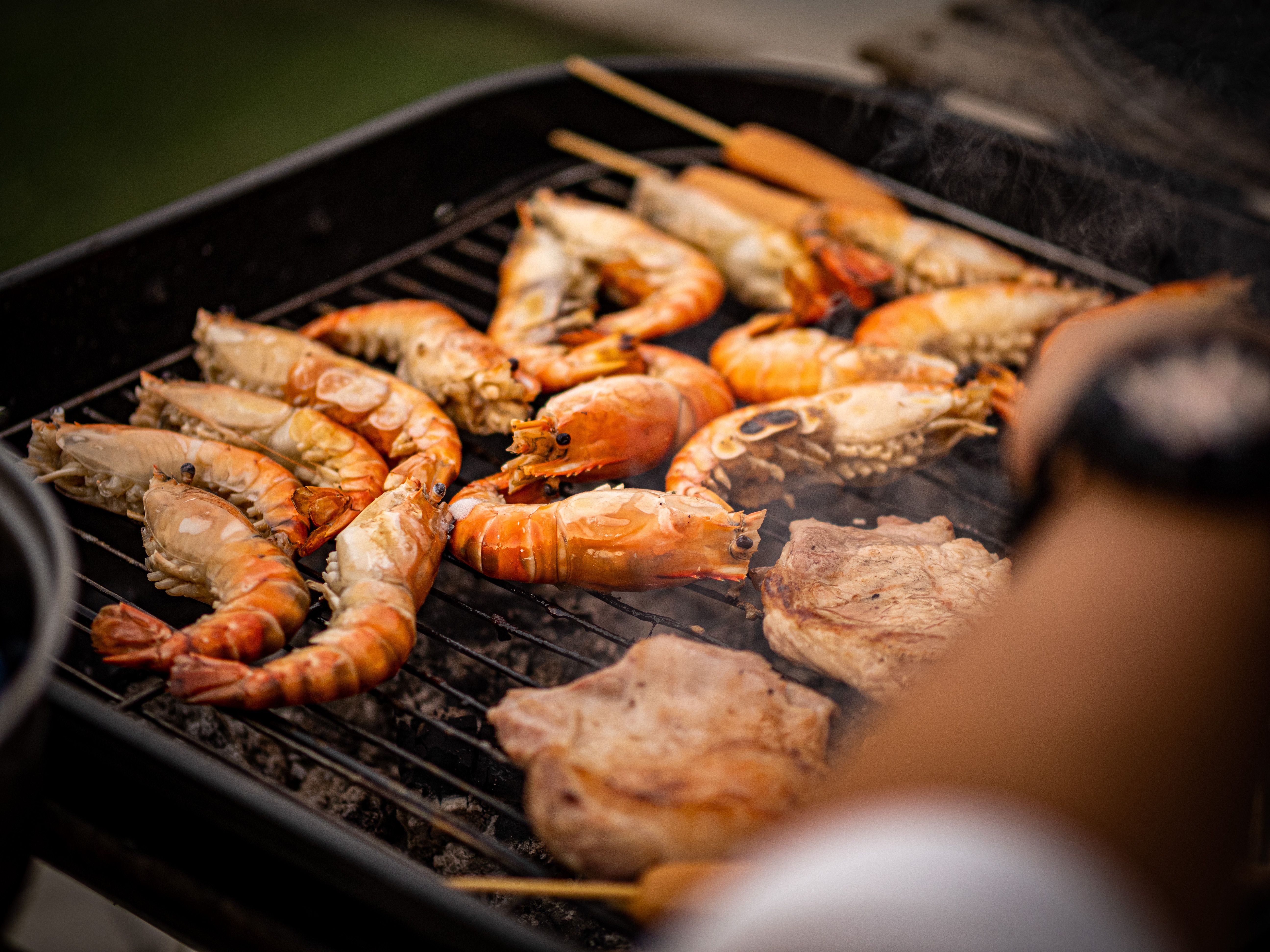
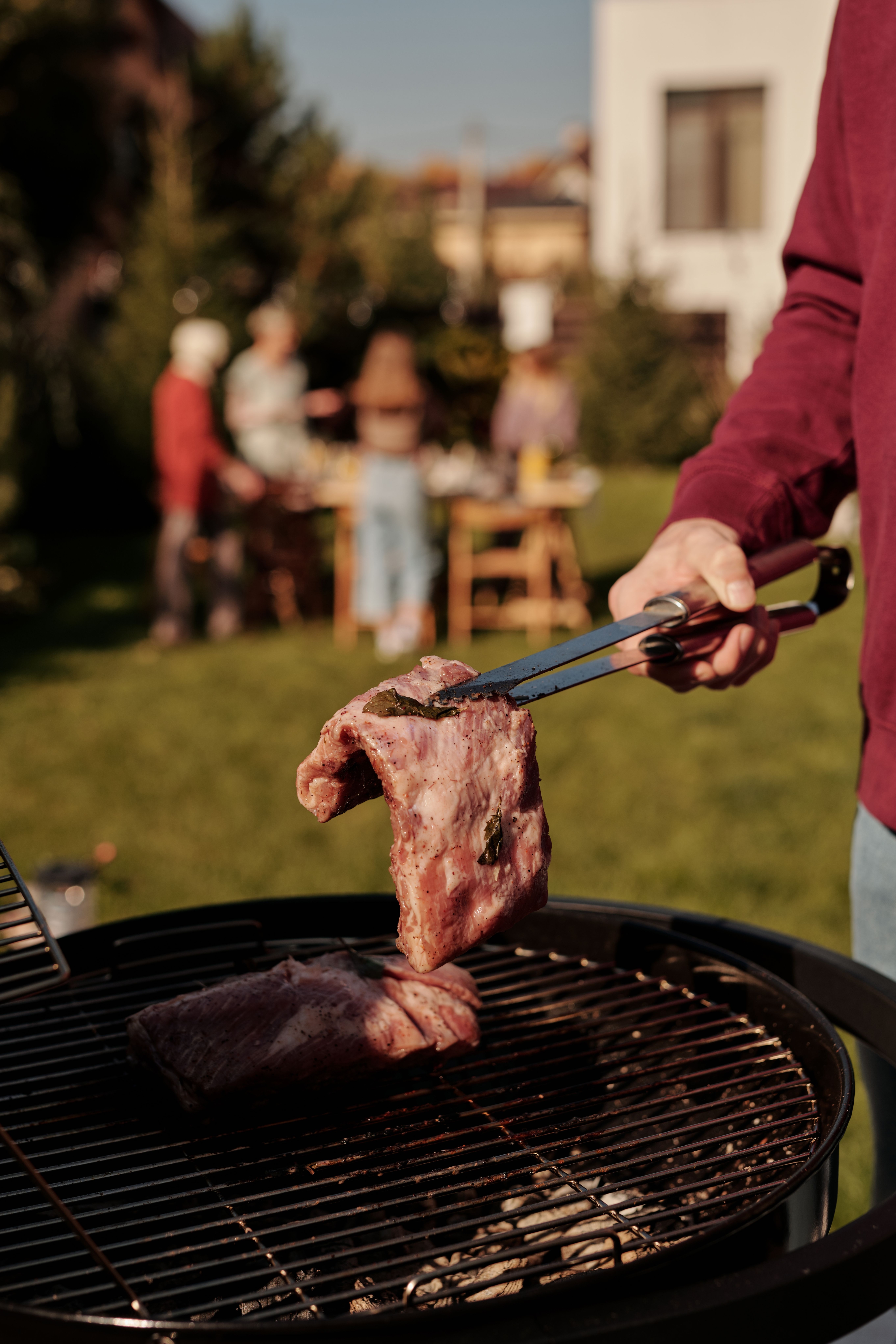
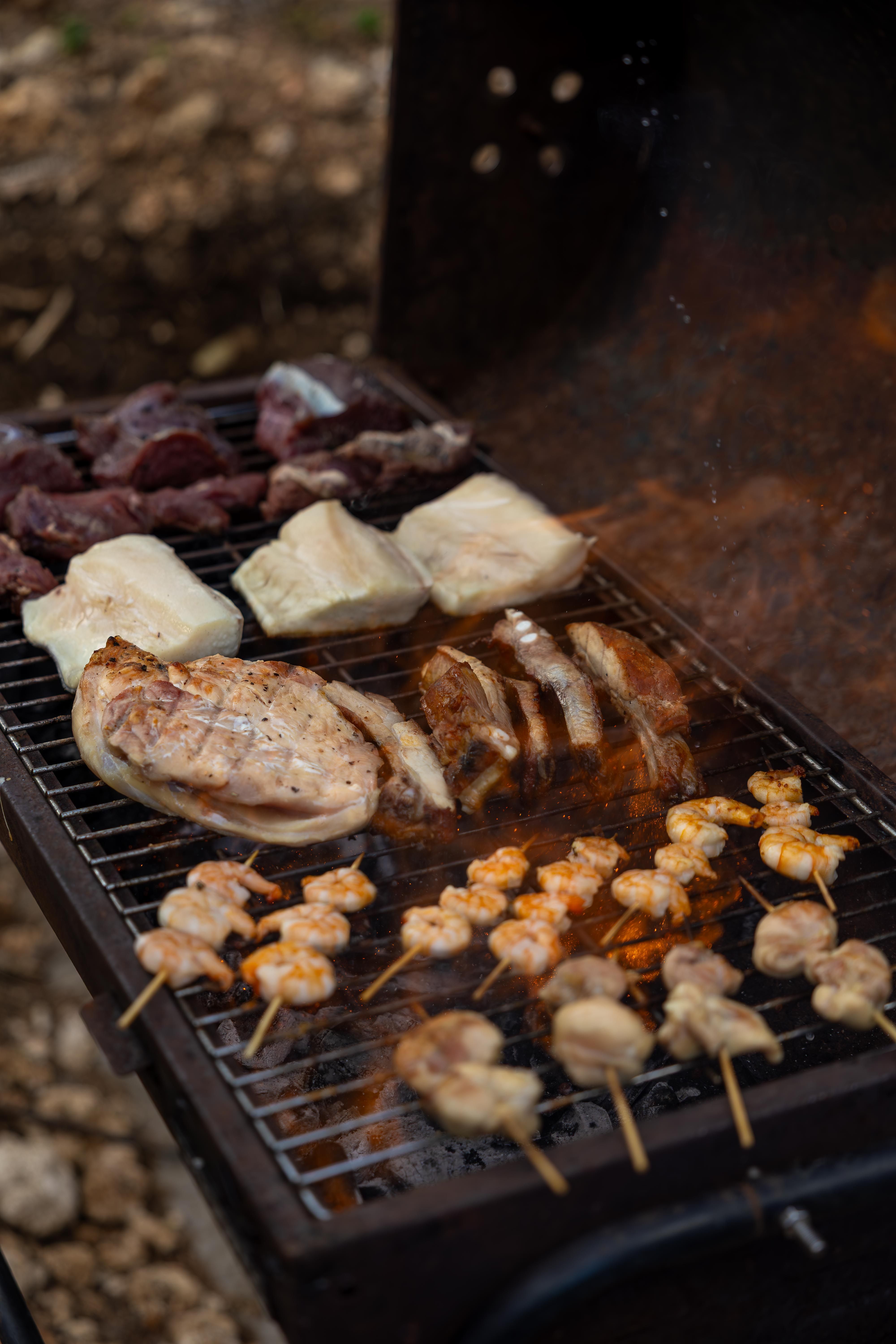
Group dinners can generate unnecessary purchases when every guest brings extra serving supplies, decorations or food. Agree on a menu, headcount and equipment list first, then check what the villa provides for the rooftop and BBQ area. Confirm approved fuel, operating arrangements and cleaning responsibilities before shopping. For celebrations, favour a few permitted decorations that can be removed and taken home rather than buying an elaborate setup for a single evening. Keep supplies away from drains, pool areas and walkways. Planning how everything will be used and cleared afterwards makes the gathering more comfortable from beginning to end.

Follow the villa’s instructions for rubbish collection

Ask our team where waste should be placed, whether particular materials need separating and how bags should be prepared for collection. Follow the arrangements actually used at the property rather than assuming that familiar bin colours or recycling rules apply. Keep liquids contained, handle breakable items carefully and ask about items that do not belong with ordinary household rubbish. If separation is requested, make the system clear to everyone in your group with simple labels or a short message. Sorting only helps when it matches the available collection process, so local guidance is more useful than guesswork.

Treat solar electricity as one part of responsible use
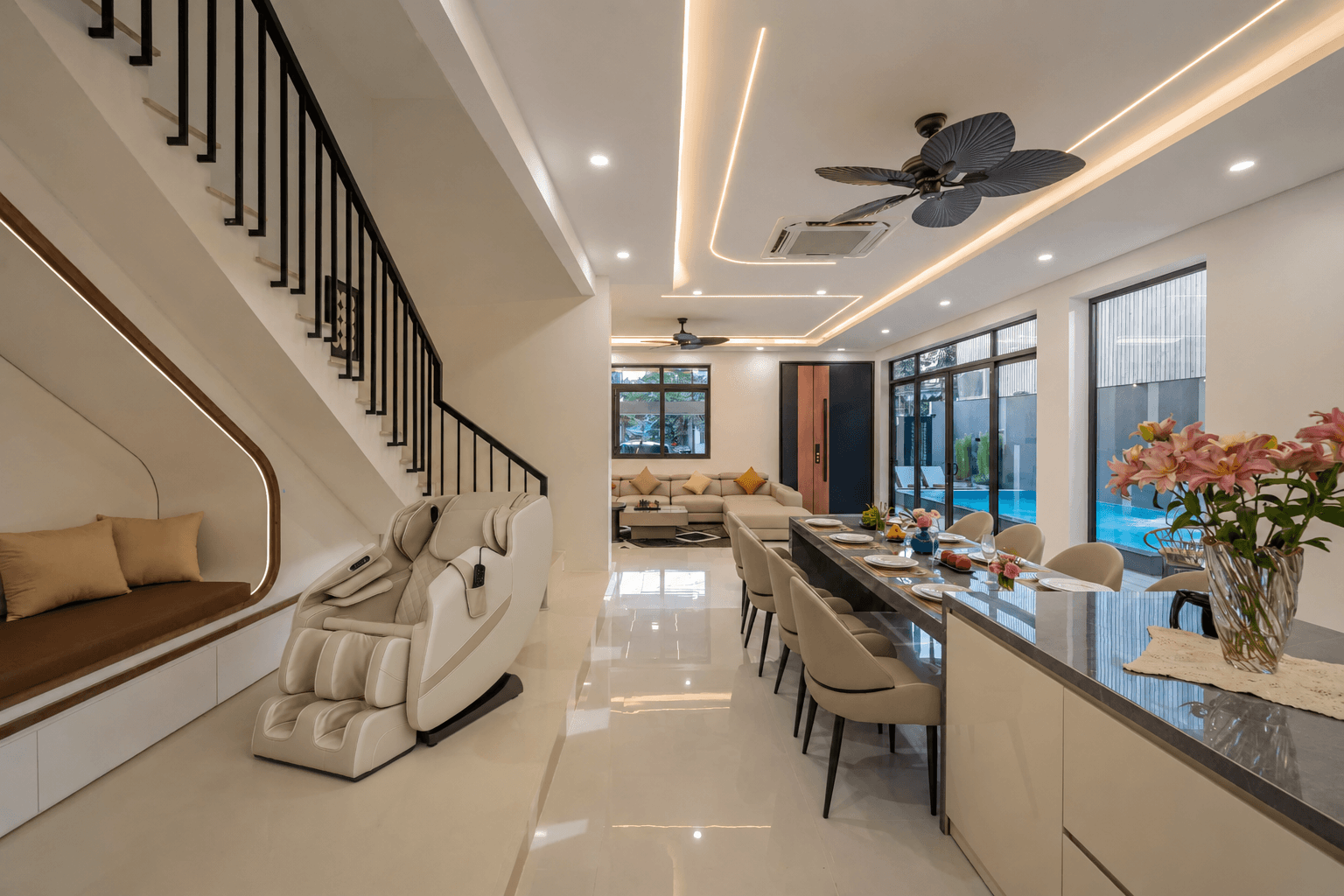
Hanami Villa uses solar electricity as part of its energy supply, but this should not be interpreted as a claim that every activity runs entirely on renewable energy. Guests can still avoid unnecessary consumption by switching off unneeded lights and following instructions for air conditioning and leisure equipment. Keep doors and windows appropriately closed when cooling a room, and do not leave appliances operating simply because nobody has agreed who will turn them off. Comfort remains part of the stay. The practical aim is to avoid unused consumption while respecting the equipment and routines explained by the villa team.

Share everyday tasks without turning the stay into a project
Small responsibilities work best when they are clear and evenly distributed. One person can coordinate groceries, another can check remaining food before dinner and others can help with dishes and rubbish after meals. Rotate tasks during a longer stay so that the same guests are not repeatedly managing everything. Hanami Villa’s approximately 600 square metres, six bedrooms and shared living spaces allow families and friends to enjoy time together, but comfortable group living still benefits from cooperation. Keep expectations light and practical. A few consistent habits are easier to maintain than a complicated system nobody wants to follow on holiday.

Finish your stay with a thoughtful final check

Reduce shopping as departure approaches, choosing final meals around the ingredients still available. Collect personal bottles, reusable bags and food containers before packing, and check cupboards and the refrigerator for forgotten belongings. Ask the team what to do with any unopened food or other unused supplies; do not assume the property can accept, redistribute or store them. Follow the instructions for rubbish and leave shared areas orderly. This final review is useful for both the villa and your group, helping prevent belongings from being left behind and avoiding a large amount of food purchased shortly before everyone leaves.

Plan your shared stay with Hanami Villa Danang
When enquiring, tell us your dates, guest numbers and whether you expect to cook regularly, organise a BBQ or arrange several shared meals. Our Nami Stay team can explain the kitchen facilities, available equipment and household arrangements relevant to your booking. Ask about storage items, drinking water, waste collection and appliance instructions before bringing extra supplies. These practical details help you prepare around what is genuinely available. They also make it easier to organise a private stay where good meals, comfortable routines and time together remain the focus, with fewer unnecessary purchases along the way.

  • Address: 276/7 Ngu Hanh Son, Danang, Vietnam
  • Phone: 0905 432 992

Leave with good memories and fewer unused purchases

The thinking behind “reduce waste group villa holiday” is simple: coordinate what you buy, prepare sensible portions and use the property’s facilities thoughtfully. At Hanami Villa Danang, we invite you to make these small choices part of a relaxed stay rather than another demanding itinerary. Confirm what is provided, follow the team’s collection guidance and share everyday tasks fairly. With a little preparation, your group can enjoy the kitchens, shared meals and leisure spaces while leaving fewer unfinished supplies behind. Contact our team to plan a Da Nang escape shaped around your people and your preferred pace.

A Villa Steam Room and Jacuzzi Guide for Your Da Nang Stay

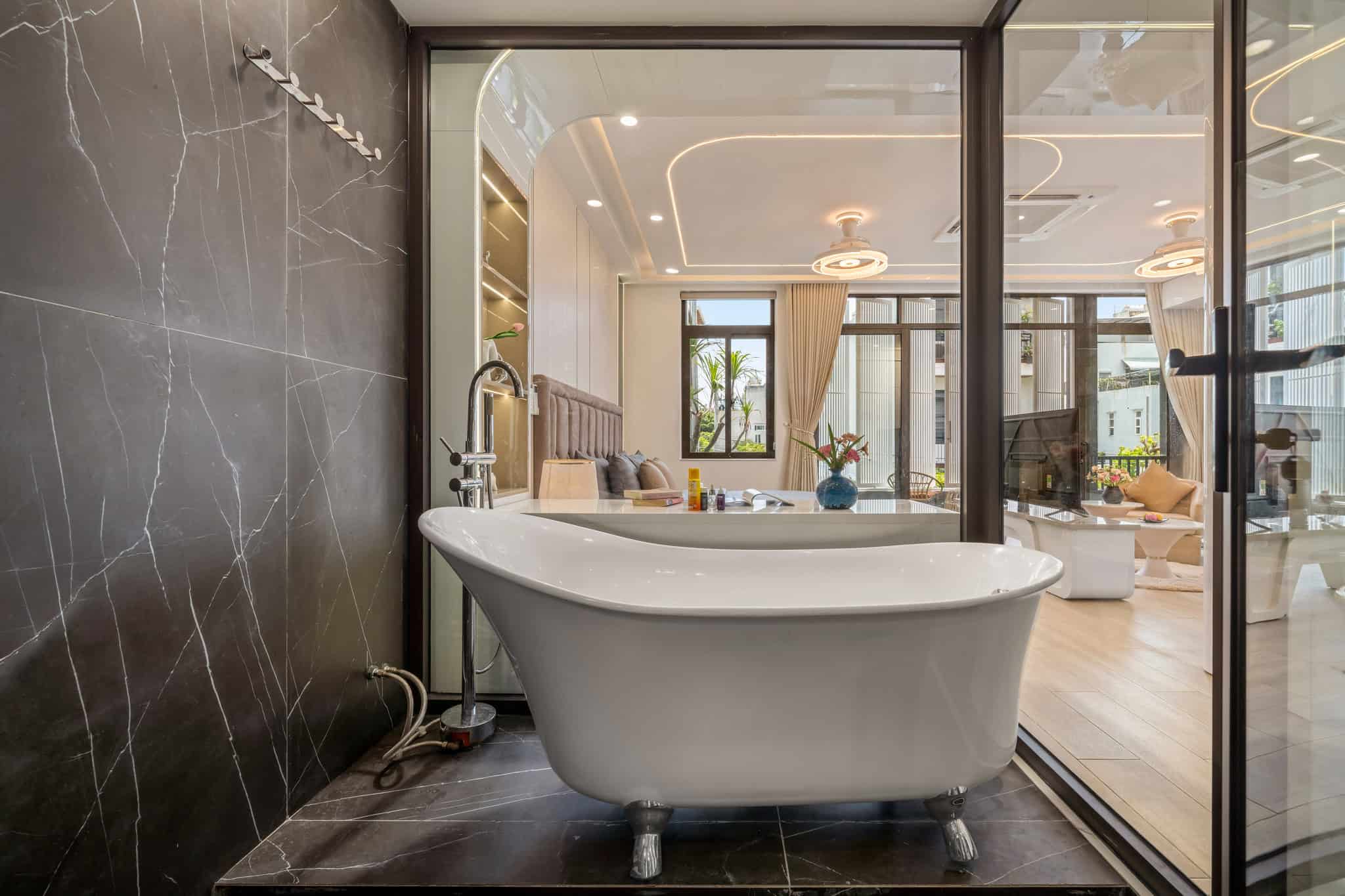
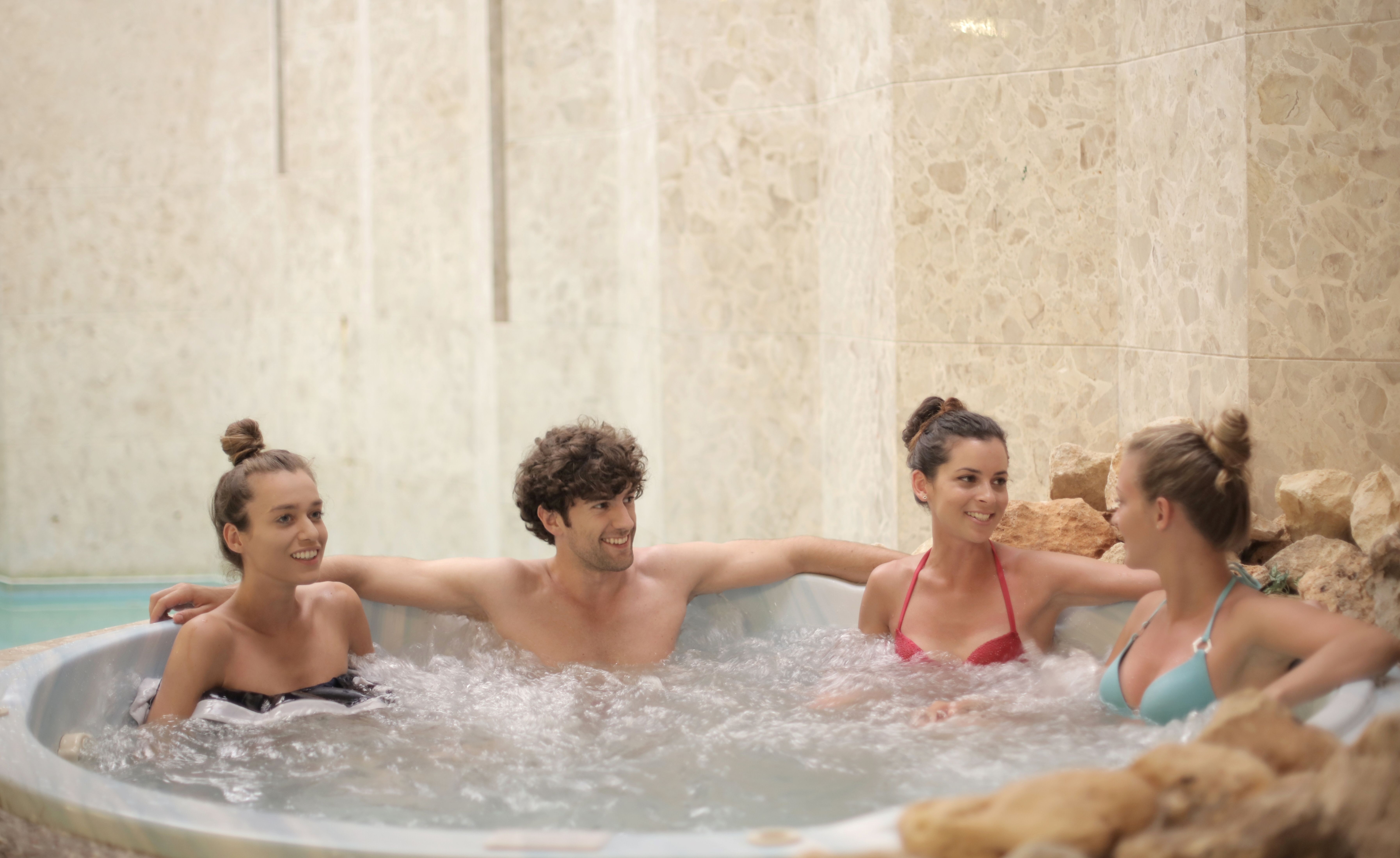
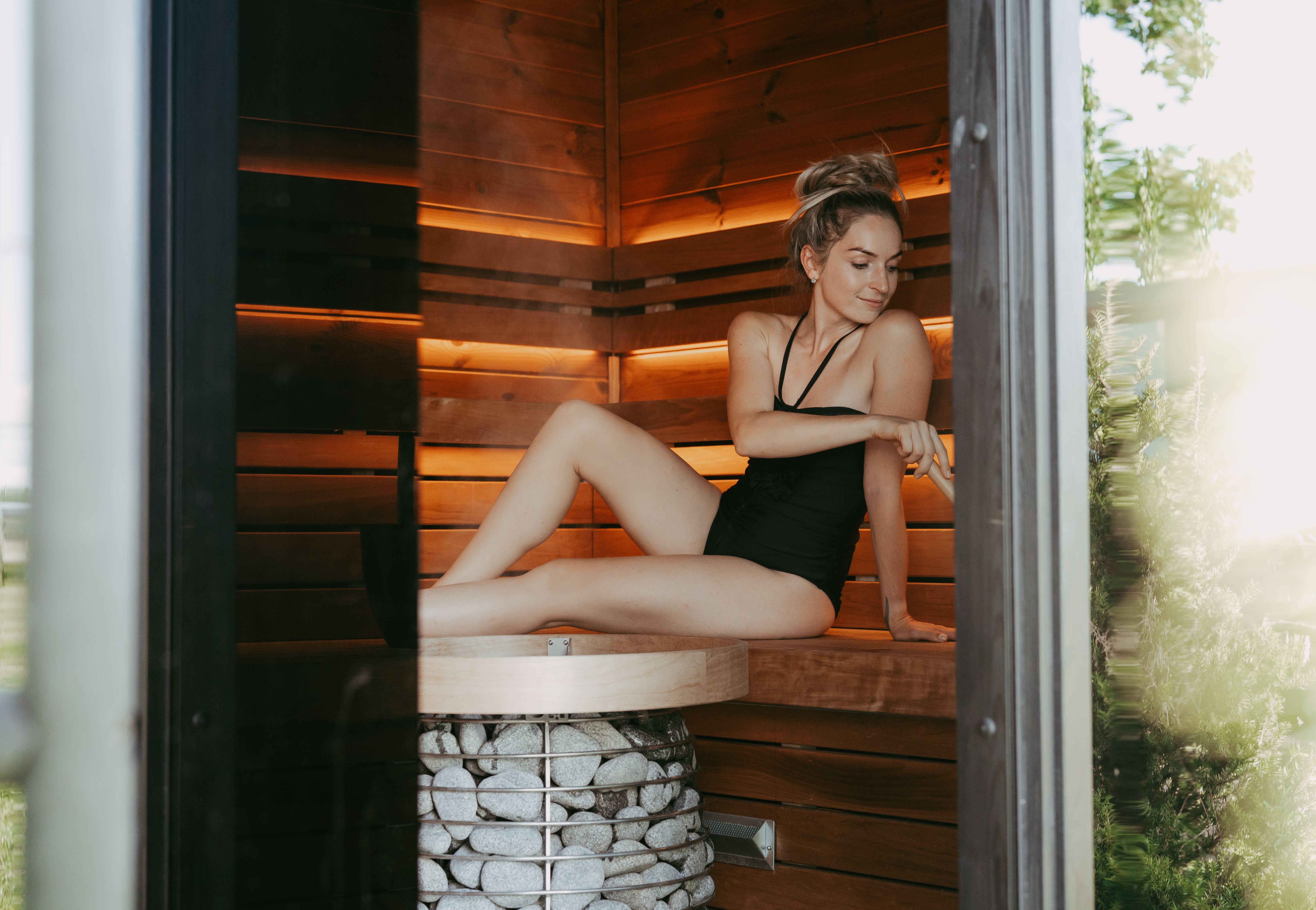
This villa steam room and jacuzzi guide invites you to discover a slower side of travelling together: time between outings, quiet moments after a busy day and the freedom to enjoy your accommodation without another journey. At Hanami Villa Danang, our wet steam room and Jacuzzi provide different options for spending that time. Understanding how they differ, how the equipment operates and which rules apply helps you plan comfortably. Join us as we explore these facilities, the questions worth asking before arrival and the simple habits that make shared use more considerate throughout your stay.

Discover the spaces behind an unhurried stay

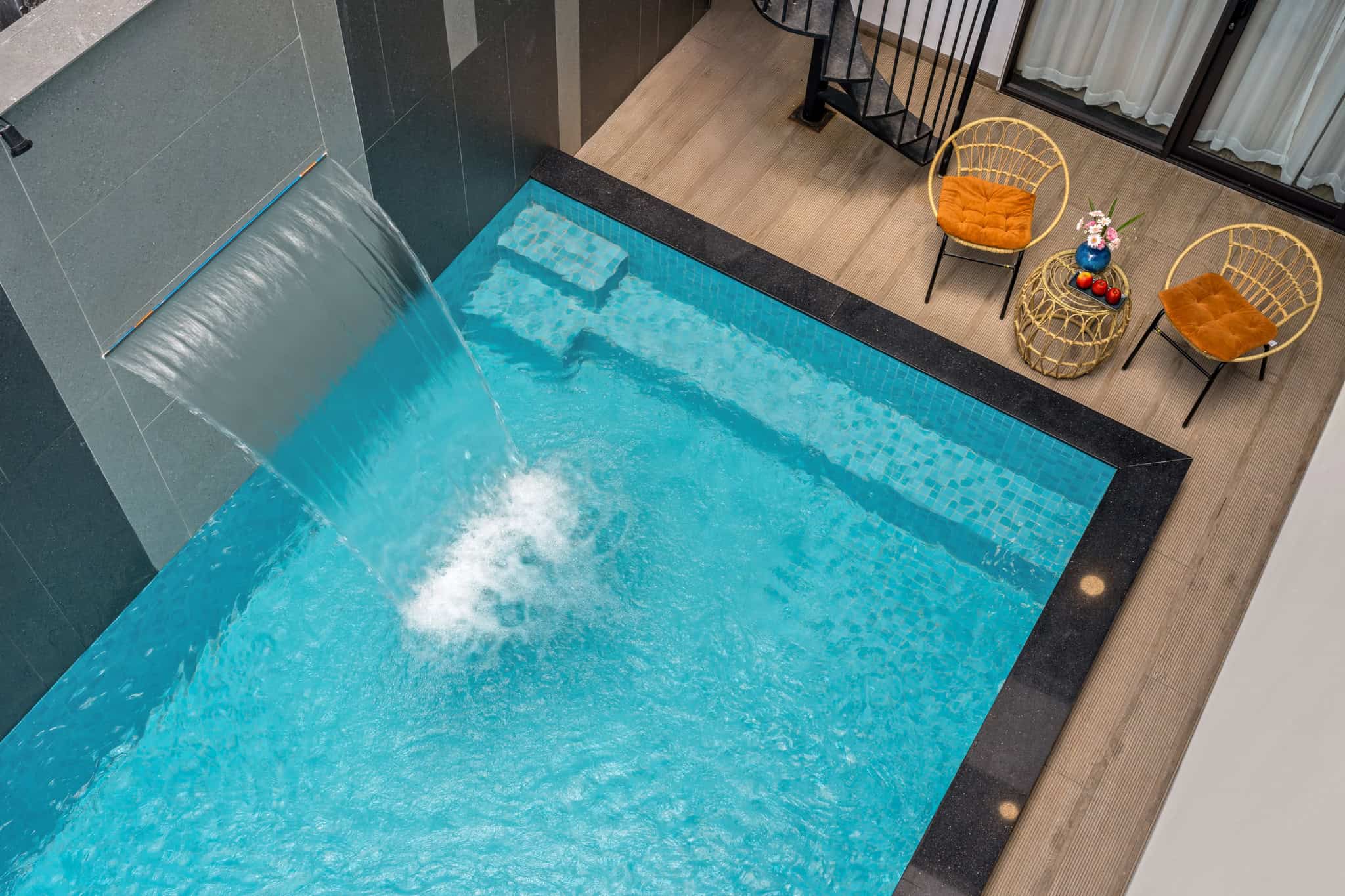
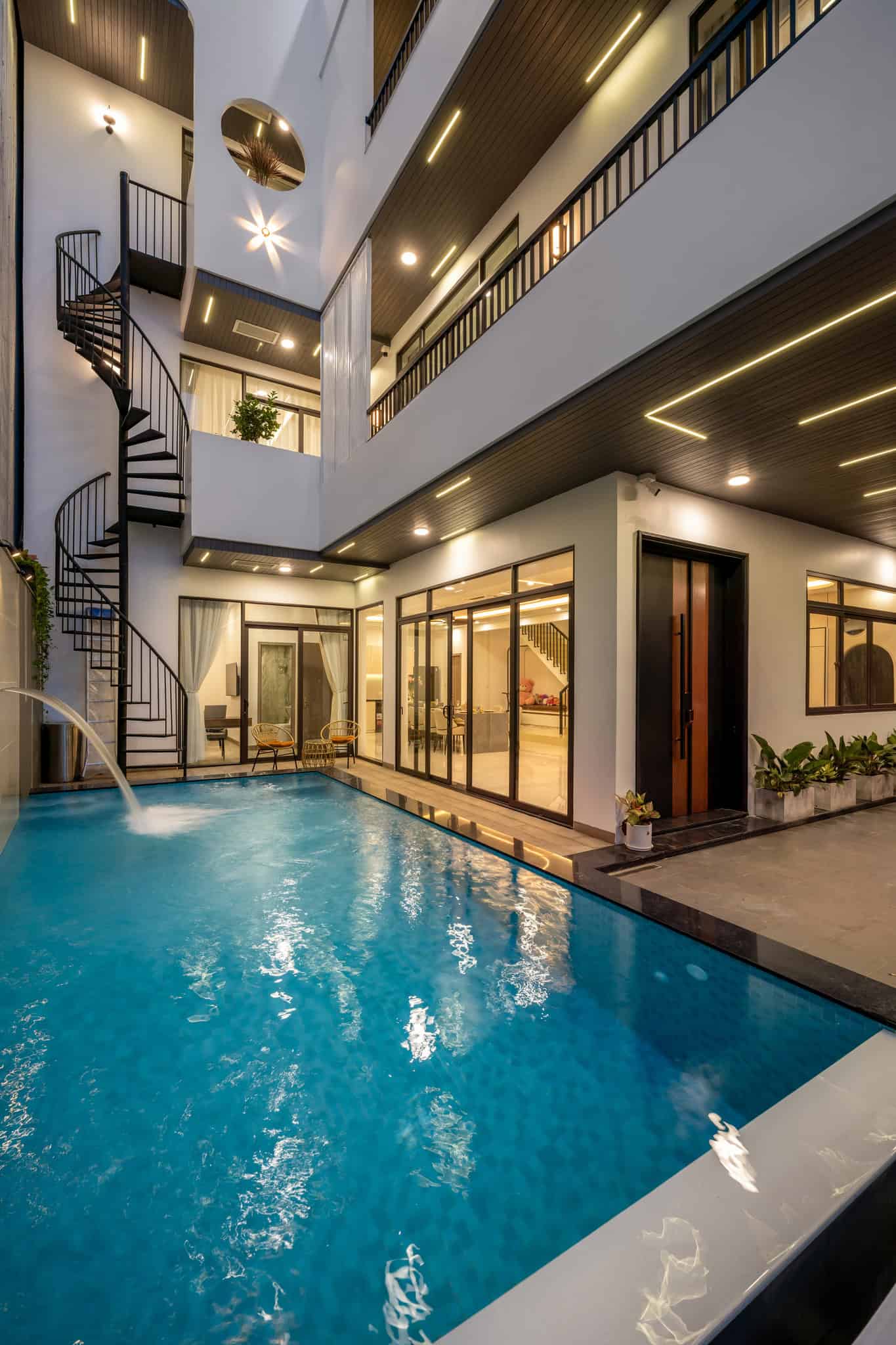
Hanami Villa Danang is an entire private villa with approximately 600 square metres, six bedrooms and eight large beds. Alongside its wet steam room and Jacuzzi, the property offers a private pool, cinema, rooftop and shared kitchens, giving your group different ways to spend time together. These Hanami Villa’s facilities complement a holiday rather than requiring everyone to follow the same routine. Some guests may enjoy a quiet pause while others prepare dinner or watch a film. When enquiring, explain which amenities matter most so our Nami Stay team can discuss the relevant arrangements for your dates.

Understand what makes a wet steam room different

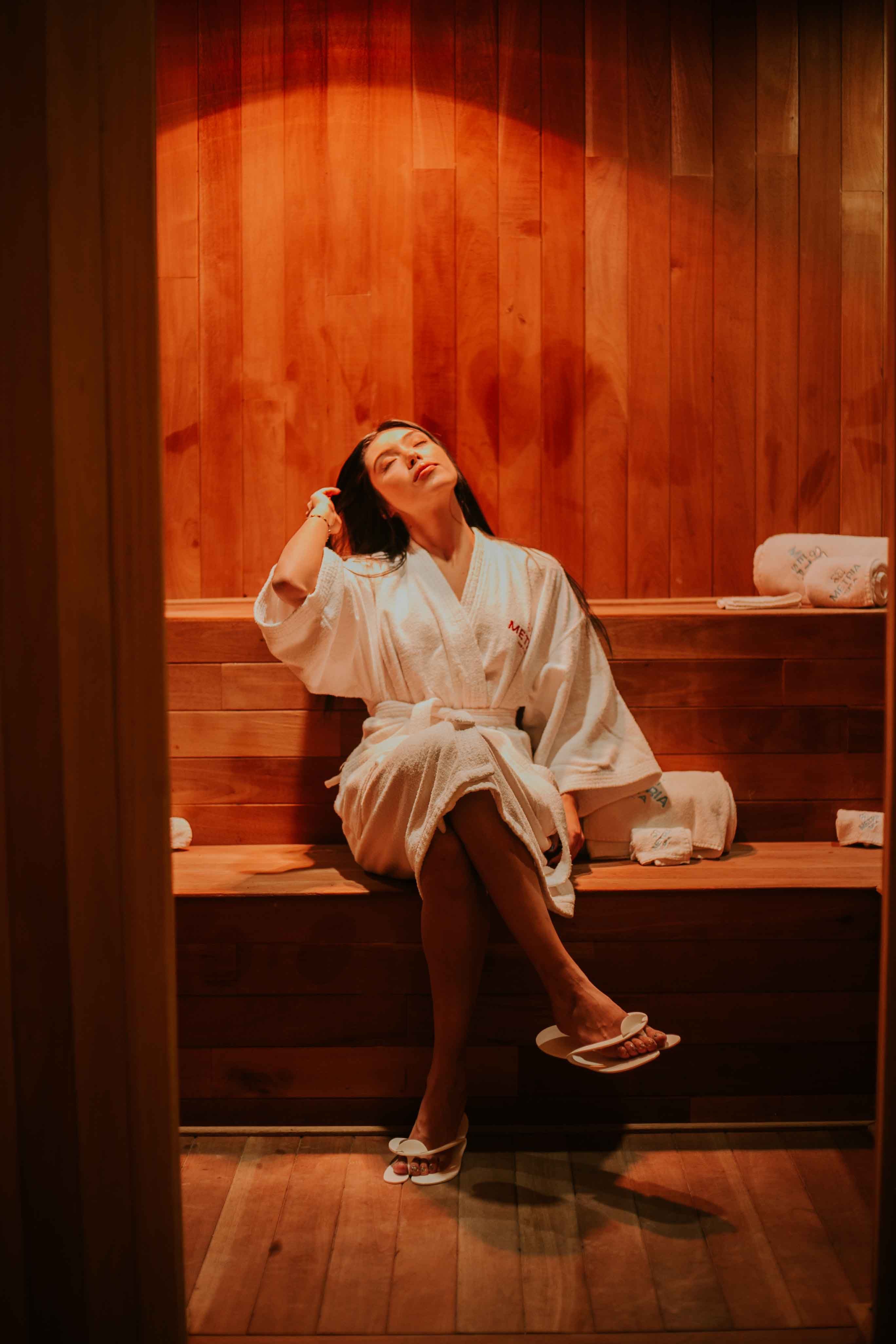
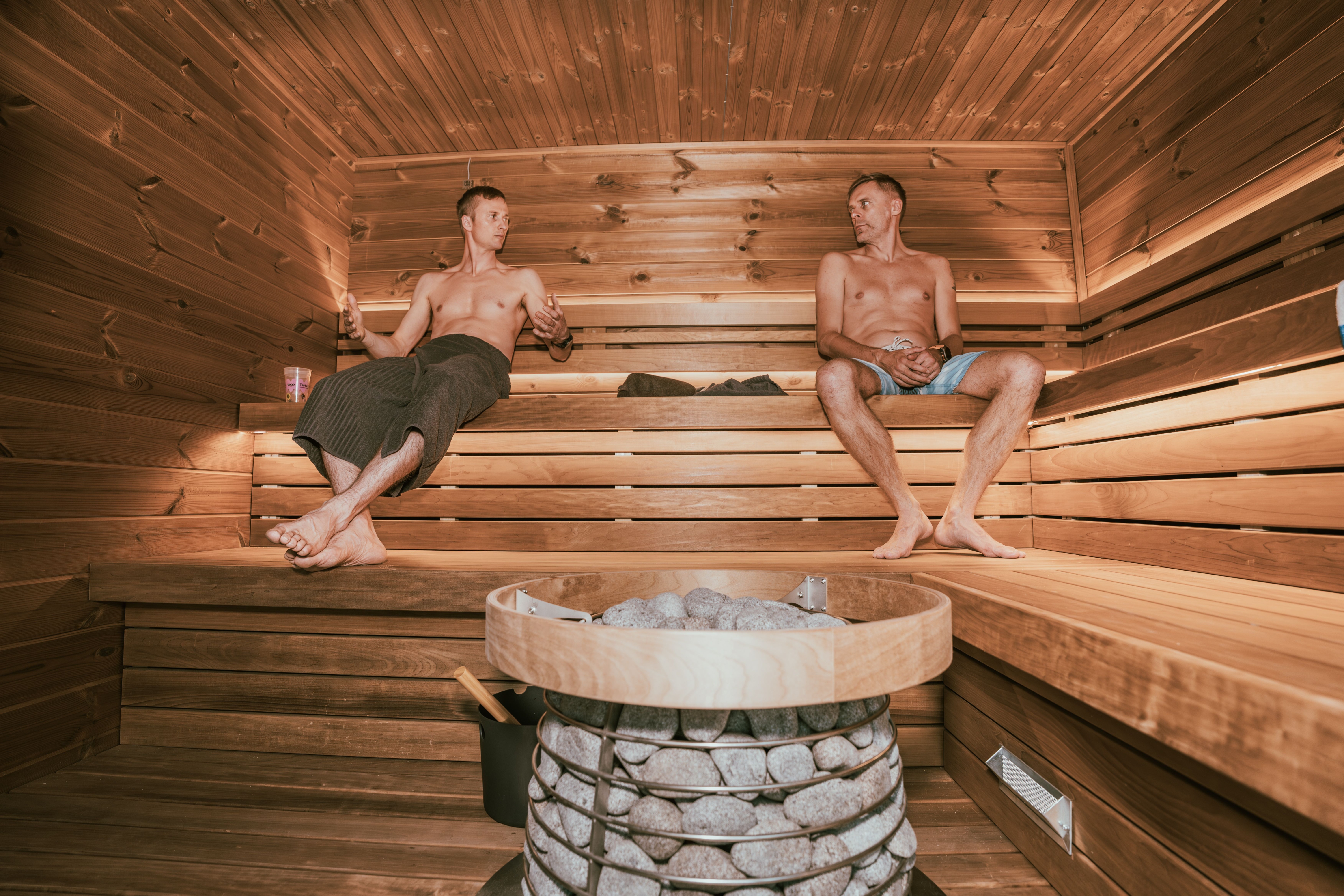
A wet steam room creates a warm, humid environment using steam released into an enclosed space. Unlike a Jacuzzi, it is not a place where you sit immersed in water. It also differs from a traditional dry sauna, so guests expecting dry heat should understand that Hanami Villa’s facility is specifically a wet steam room. The experience depends on the actual equipment and operating settings. Ask the team to explain the room’s controls, seating, steam outlet and permitted use rather than following instructions intended for another type of sauna or assuming that previous experience translates directly to this installation.
Know what to expect from the Jacuzzi

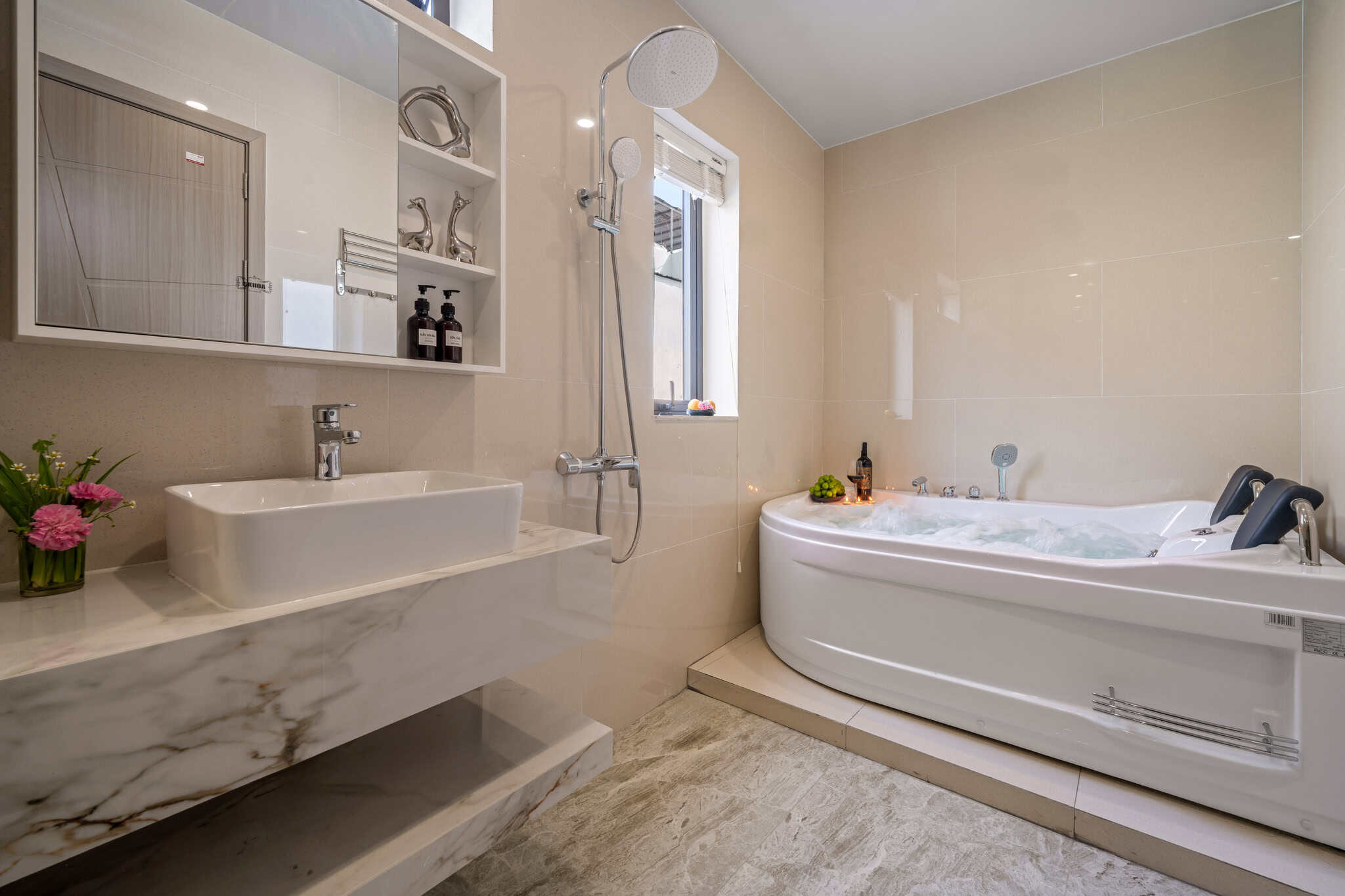
A Jacuzzi offers a water-based experience, with jets that circulate water, rather than warming the surrounding air with steam. Before using Hanami Villa’s facility, ask about its particular configuration, including filling arrangements, water settings, jet controls and the number of users permitted at once. Do not assume it operates like another spa bath or hot tub you have used elsewhere. Understanding the actual setup also helps distinguish it from any separate soaking bath shown in the property photographs. Our team’s explanation should guide your use of the equipment, including which controls guests may adjust and which tasks require assistance.

Use photographs to understand the actual layout

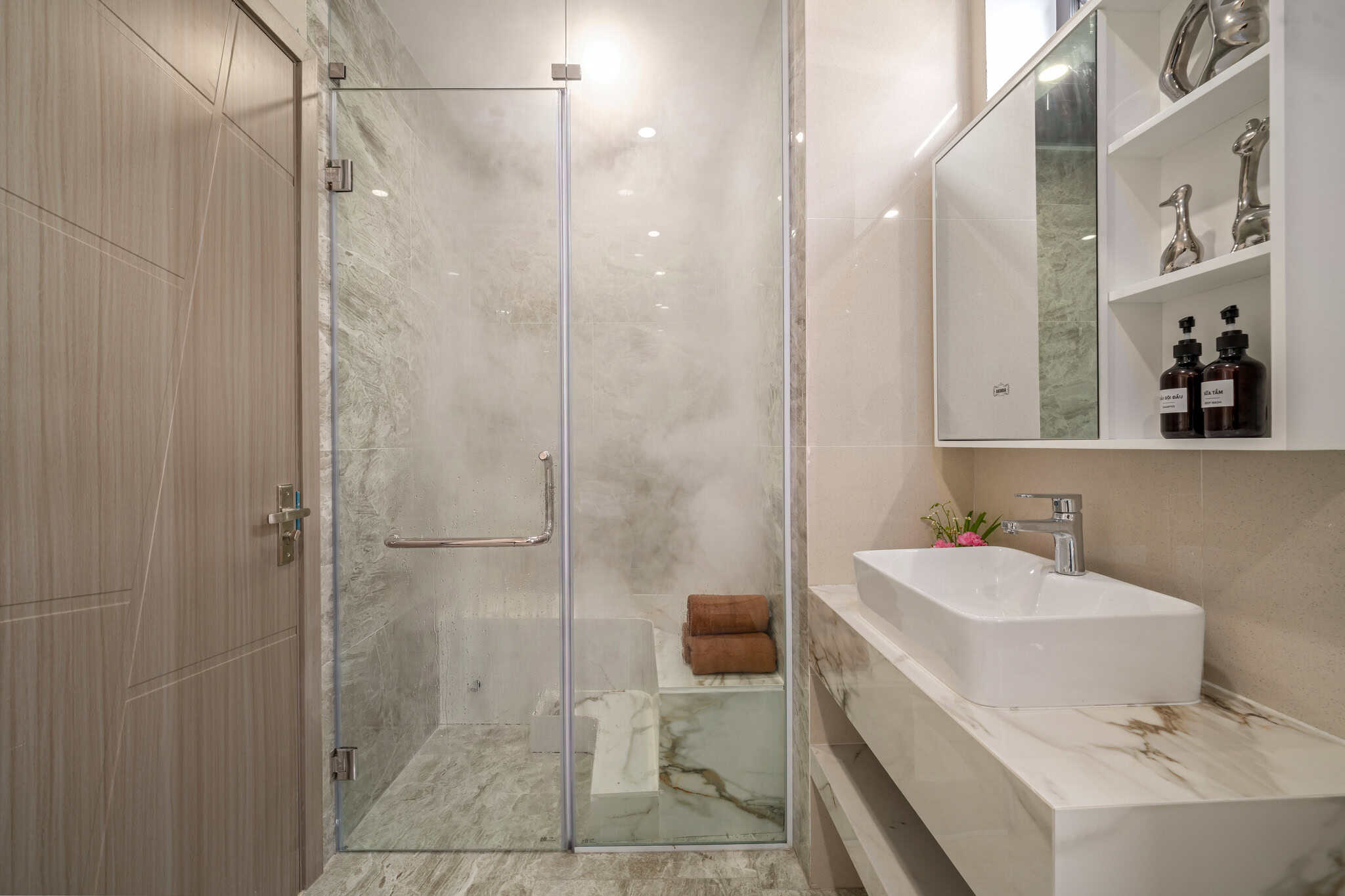
Review the villa’s current photographs to see how the steam room, Jacuzzi and surrounding areas are arranged. Look for access routes, seating, steps, shower access and the space available for changing or placing belongings. Ask our team for clarification or additional images if a practical detail is not visible. Photographs help you picture the setting, but they cannot confirm water temperature, maintenance status or operating procedures. Use them alongside a conversation about your needs, particularly if someone has difficulty with steps or requires assistance. The aim is to understand the real facilities rather than build expectations from generic spa imagery.

Ask for an introduction before switching anything on

Arrange a demonstration or clear operating instructions before your first use. Ask which switches control the relevant functions, whether preparation time is needed and how to finish a session correctly. Establish who should handle filling, draining or resetting equipment where applicable. Locate the exit and learn how to contact the team if something does not seem right. Avoid experimenting with unfamiliar buttons, removing covers or attempting adjustments behind control panels. A short explanation at the beginning of your stay is more useful than trying to resolve uncertainty once the room is warm or the Jacuzzi is already running.

Confirm availability, hours and any applicable charges

Ask whether both facilities are available throughout your booking and whether advance notice is required before use. Confirm permitted hours, any maintenance periods and whether particular arrangements affect access. Discuss inclusions and charges explicitly rather than assuming that every operating request or additional service is covered by the accommodation quotation. These questions are especially relevant if the facilities are a major reason for choosing the villa. Knowing the practical conditions lets your group plan around them naturally. It also avoids building an evening’s schedule around equipment that needs preparation, cleaning or attention from the property team first.

Follow the facility’s settings rather than chasing more heat

Ask the team about the appropriate settings and any session limits for the actual equipment. Avoid increasing heat, adjusting timers repeatedly or remaining longer simply to match another guest’s preference. A general travel article cannot establish a suitable personal duration for everyone. Keep the experience optional and leave if you feel uncomfortable, rather than treating it as a challenge to complete. Steam equipment and water facilities need to be used according to their instructions, with outlets and moving components left unobstructed. If a display, control or function behaves unexpectedly, stop using the facility and ask for assistance.

Begin with a shower and keep the water free of extras

Showering before entering a hot tub is recommended by the CDC, which also advises against drinking alcohol before or during use. Make those habits part of your plans rather than combining the Jacuzzi with a drinks gathering. Follow the villa’s hygiene instructions for both facilities and ask before introducing any oils, bath products or fragrances; products suitable for a normal bathtub may not suit the equipment. Keep food, breakable containers and loose personal items away from the operating areas. These small preparations help your group use the spaces considerately without adding substances or objects that have not been approved. CDC

Organise towels and clothing before entering

Confirm which towels are provided for these facilities and where used items should be placed afterwards. Bring suitable clothing according to the villa’s guidance, and keep a dry change nearby if needed. Leave phones, chargers and valuables in an appropriate dry place rather than setting them beside water or steam. Avoid hanging garments over controls, outlets or equipment. If you are preparing a villa holiday packing list, ask about supplied items before adding bulky extras. A simple setup keeps the experience comfortable and makes it easier to move on to dinner, reading or another part of your evening afterwards.

Give everyone a fair share of the space

Private use by your booking group still benefits from a little coordination. Ask about the permitted capacity of each facility and agree on a simple arrangement if several guests want to use it. The villa’s overnight guest capacity does not establish how many people can use the Jacuzzi or steam room simultaneously. Avoid crowding, and do not pressure anyone to participate. Keep belongings organised so the next person can enter comfortably, and allow any required cleaning or preparation between uses. Considerate scheduling helps these facilities remain an enjoyable option instead of another activity the whole group must complete together.

Make separate plans for younger children

A Jacuzzi should not be treated as a smaller substitute for a swimming pool. The CDC advises that children younger than five should not use hot tubs. Ask the villa team about all age restrictions and supervision requirements, including those for the steam room; permission to stay at the property does not establish suitability for every amenity. Arrange another activity for children who cannot use a facility, with a responsible adult available to supervise them. Keep access controlled according to the property’s guidance, and make sure adults understand who is watching children while others are enjoying their own downtime. CDC

Consider personal suitability before making plans

Heat and warm-water facilities are not appropriate for every traveller in every situation. If you are pregnant, the CDC advises speaking with a healthcare provider before using a hot tub. Discuss personal concerns about heat exposure, relevant health conditions or medication with a qualified clinician rather than asking accommodation staff to assess medical suitability. The villa team can explain equipment and house rules, while individual health advice requires a different conversation. There is no need to participate simply because the facility is available. A quiet conversation, a film or time in another shared area can be an equally welcome part of the holiday. CDC

Ask about maintenance instead of judging by appearance alone

Clear-looking water and an attractive room do not tell you everything about maintenance. Ask the team how the Jacuzzi is cleaned and managed, whether any preparation is needed between uses and whom to contact with concerns. For the steam room, clarify cleaning arrangements and any period when the facility must remain unused. If you notice unexpected water conditions, a damaged fitting or an equipment fault, leave it for the team to assess before continuing. Do not add cleaning chemicals, alter maintenance controls or attempt repairs yourself. A practical conversation is more useful than assuming that appearance alone confirms the facility is ready.

Finish with the next guest in mind

Follow the instructions for ending your session, including which functions to switch off and whether anything should be left for staff to handle. Place used towels where directed, collect personal belongings and leave walkways clear. Report spills or operating issues promptly instead of allowing the next person to discover them. Ask before attempting to drain, refill or clean specialised equipment. Keeping the area orderly is particularly helpful during a longer stay, when different members of your group may use it at different times. A considerate finish supports the same comfortable experience you would appreciate when entering.

Leave room for the rest of your evening

These facilities can be one part of a relaxed day rather than the centre of an ambitious schedule. Avoid organising repeated rounds of heat and water activities simply to use every amenity. Instead, consider a quiet pause followed by dinner or a film, depending on your preferences and the villa’s operating arrangements. Hanami Villa’s private cinema and shared living spaces give the group other ways to reconnect afterwards. Some guests may choose to join only for the meal or conversation. Letting everyone follow a comfortable rhythm makes the holiday feel more personal and keeps relaxation from becoming another obligation.

Discuss the details with Hanami Villa Danang

When enquiring, share your dates, group composition and any access requirements that affect your choice of accommodation. Ask our Nami Stay team about current facility photographs, operating instructions, permitted users, available towels, maintenance arrangements and any charges relevant to your booking. These details help you understand what to expect before arrival. The wet steam room and Jacuzzi are leisure amenities; they should not be presented as medical treatments or accompanied by promises of detoxification, weight loss or recovery. Begin with the actual setting and practical guidance, then decide how these spaces fit the stay you want to enjoy.

  • Address: 276/7 Ngu Hanh Son, Danang, Vietnam
  • Phone: 0905 432 992

Discover the pleasure of slowing down together

A useful villa steam room and jacuzzi guide helps you understand the experience before stepping inside: the difference between humid warmth and a water-based setting, the importance of operating instructions and the habits that support considerate shared use. At Hanami Villa Danang, we invite you to ask questions early and enjoy the facilities in a way that suits your group. Contact our team with your travel plans to explore availability and practical arrangements, then look forward to a private retreat with space for discovery, conversation and quieter moments between the highlights of Da Nang.

Planning a Private Chef Dinner at a Villa in Da Nang

Thoughtful private chef villa Da Nang planning begins with imagining the evening you want to share: a family dinner after exploring the city, a birthday meal or an opportunity for everyone to sit down without cooking. At Hanami Villa Danang, we invite you to explore the practical decisions behind that experience, from preparing a clear request to discussing kitchen access and service arrangements. Our kitchens and shared dining spaces provide the setting for this guide. Before making commitments, ask whether an outside chef may be welcomed during your stay and whether assistance with arrangements is available.

Decide what kind of evening your group wants

A private dining experience can take several forms, and the distinction affects preparation, staffing and price. Your group might prefer dishes served together for sharing, a sequence of individually plated courses or a simpler meal prepared and left ready to enjoy. Think about how formal the evening should feel, how long you want dinner to last and whether guests would enjoy interacting with the chef. Start with the experience rather than a long list of dishes. A clear format gives the provider something practical to propose and helps prevent a relaxed family meal from becoming unnecessarily elaborate.

Confirm permission before approaching a chef

Your first conversation should be with the villa team. Explain your proposed date, approximate guest count, dining format and whether the chef would bring assistants or additional equipment. Ask about outside-provider access, permitted working hours and any applicable conditions or charges. Kitchen facilities do not automatically establish permission for an external team to operate on the property. If arrangement assistance is available, clarify what that support includes and who will contract with and pay the provider. Confirming the property’s requirements first gives everyone a clear framework before menus are developed, deposits are paid or ingredients are purchased.

Give the chef an accurate picture of your group

Provide the number of adults and children eating, children’s ages where relevant and the preferred serving time. Distinguish overnight guests from any proposed dinner visitors, whose attendance requires separate approval from the villa. Hanami Villa Danang has six bedrooms and eight large beds, accommodating up to 20 overnight guests with a suitable sleeping arrangement. That accommodation capacity should not be treated as a confirmed dining-event capacity or permission for additional visitors. Explain seating needs, whether children should eat earlier and whether anyone may arrive late. These details help the provider propose a service arrangement that fits the actual gathering.

Build a menu around the people at the table

Choose a culinary direction before requesting individual dishes. You might ask for a Vietnamese-inspired family meal, a seafood-focused dinner or a menu combining local flavours with familiar options. These are possible briefing ideas rather than menus offered by the villa. Tell the chef which ingredients your group enjoys, how adventurous guests want to be and whether the evening should include several courses or shared platters. Ask for a balanced proposal with clear portion information. A shorter menu prepared and served comfortably can be more enjoyable than an extensive selection that stretches kitchen space, timing and the group’s appetite.

Explain dietary requirements before approving dishes

Collect dietary information directly from the guests concerned, including vegetarian or vegan requirements, allergies, ingredient exclusions and religious food requirements. Separate essential restrictions from preferences such as mild seasoning or a dislike of a particular vegetable. Ask the chef about sauces, stocks, marinades and preparation methods, including shared equipment where that matters. Do not assume that removing a visible ingredient makes a dish suitable. The provider should explain what can be accommodated, and guests should review uncertain arrangements before the menu is agreed. If a requirement cannot be met, discuss an appropriate alternative instead of leaving the question until dinner.

Plan children’s food as part of the service

Ask parents about portions, familiar foods, textures and usual mealtimes before finalising the menu. A child may prefer a simpler version of a shared dish, while another may need an earlier meal before the adults begin. Discuss those options with the chef and confirm whether they affect the quotation or service sequence. Avoid assuming that every child needs a full adult menu or will be comfortable waiting through several courses. Thoughtful planning allows younger guests to participate without making the whole evening revolve around one timetable. It also helps adults relax once children’s meals have been considered properly.

Match the menu to the actual kitchen setup

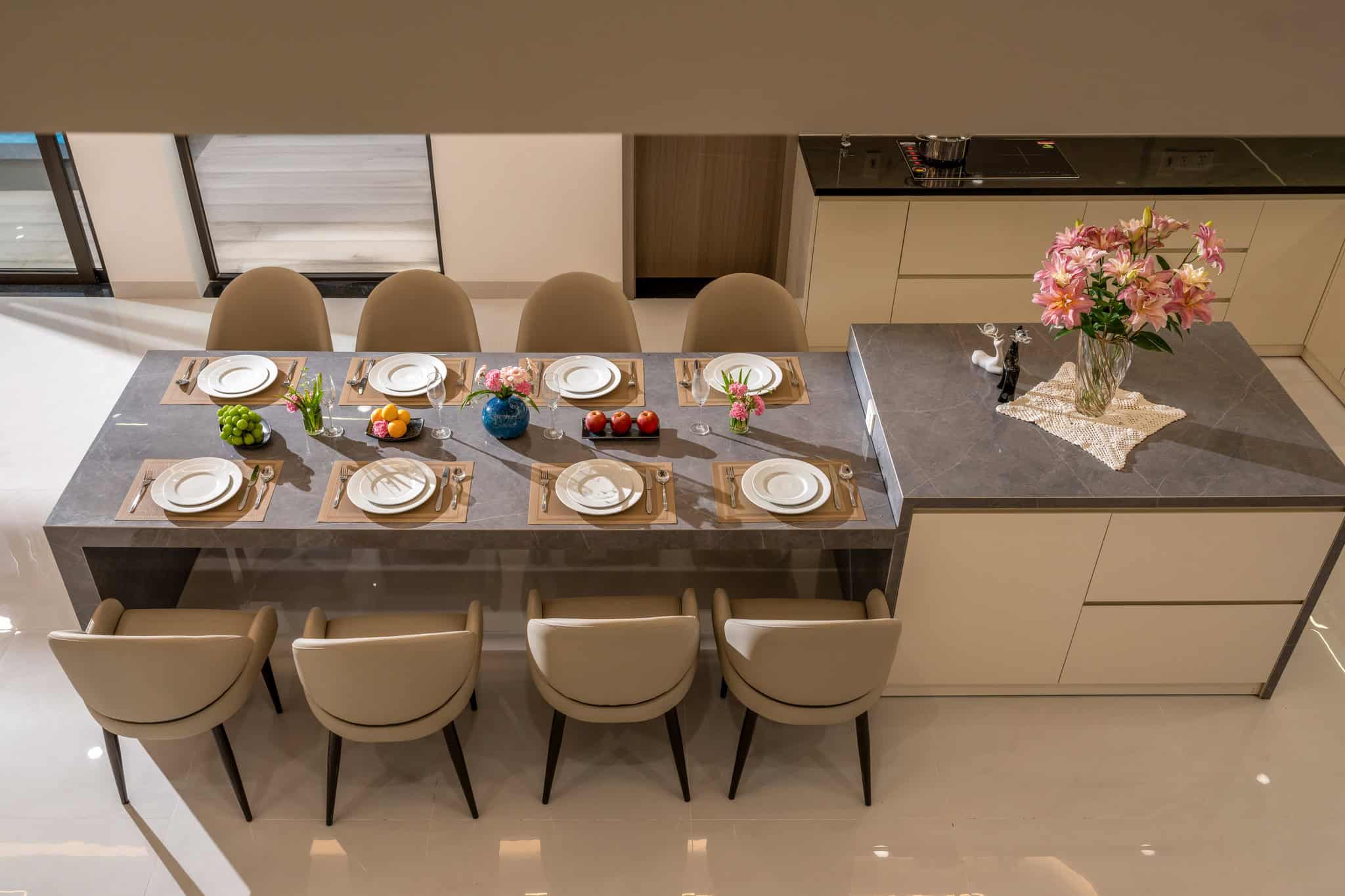
Hanami Villa has two kitchen areas, each with its own practical role. The main kitchen includes an oven, microwave and dishwasher. The third-floor kitchen and beverage area has a dishwasher and drink-preparation utensils. Share these confirmed details with the provider, then ask our team about any additional equipment essential to the proposed menu. The two areas should not be assumed to contain identical appliances. Before approving ambitious cooking plans, check workspace, food storage and the equipment available for the particular service. A menu should be designed around the confirmed setup, with any necessary additions agreed in advance.

Identify what the chef needs to bring

Ask the provider for an equipment list covering cookware, knives, preparation tools, serving pieces and any specialist appliances. Compare that list with the villa’s confirmed inventory so nobody duplicates bulky items or relies on equipment that is unavailable. Additional electrical appliances, cooking equipment or fuel-based devices require discussion with the property team before arrival. Clarify who transports, sets up and removes everything, including any hired tableware. These details belong in the service agreement rather than being left to improvisation. A well-prepared equipment plan helps protect the evening’s timing and keeps the shared kitchen practical for the people using it.

Set a budget for the complete experience

Discuss a comfortable total before asking for a detailed proposal. Explain whether the budget should include ingredients, preparation, staffing, transport, equipment and cleaning, then request an itemised quotation. Ask whether the provider prices by guest, menu or service package and whether a minimum booking amount applies. Drinks, additional courses, specialist ingredients or extended service may be separate when offered. Without an actual proposal, a general per-person figure can be misleading. The useful comparison is between complete quotations for the same guest count, menu and service level, with all agreed inclusions visible before you decide.

Clarify the difference between cooking and full dinner service

A chef preparing dinner does not necessarily provide a complete front-of-house team. Ask who will set the table, serve courses, refill drinks, clear plates and attend to guests throughout the meal. Shared platters may need a different staffing arrangement from individually plated courses, especially for a larger group. If guests are expected to help with any tasks, make that clear beforehand. Confirm whether the chef remains until dinner finishes or leaves after preparation and handover. Understanding these boundaries helps your group choose the level of service it wants, rather than expecting a restaurant-style evening from a cooking-only booking.

Choose a dining arrangement that suits the occasion

Hanami Villa’s approximately 600 square metres combine private bedrooms with spaces for gathering, cooking and spending time together. Discuss the intended dining area, available seating and practical serving route before confirming a substantial meal. If you hope to use the rooftop, ask about suitability, permitted activities and an alternative if conditions change. A rooftop BBQ area does not automatically make every proposed cooking or dining setup appropriate there. Keep decorations and table styling proportionate to the available space, and seek approval for anything requiring installation. A comfortable arrangement gives conversation and service room to flow naturally.

Create a timeline that leaves space for your holiday

Work backwards from the intended serving time and ask when the chef needs access for unloading, preparation and setup. Coordinate that schedule with your outings, housekeeping and other guests’ plans for the kitchen. Confirm who will meet the provider and remain reachable if questions arise. If the meal follows a day trip, allow flexibility for your return rather than placing dinner immediately after an uncertain arrival time. Agree on when preparation areas will be needed and when they should become available again. A clear schedule lets your group enjoy the day without returning to avoidable confusion about access or service.

Put shopping and substitutions in writing

Confirm who buys the ingredients and whether shopping costs are included in the agreed price. Ask how the provider handles unavailable ingredients and whether substitutions need your approval, particularly where dietary requirements or premium items are involved. If your group supplies groceries or drinks, request a precise list with quantities and preparation instructions where relevant. Avoid splitting responsibility vaguely between guests and the chef, as this can lead to missing ingredients or duplicate purchases. Identify one person who can approve changes within the agreed budget. Clear ownership makes decisions quicker without leaving several guests negotiating different versions of the menu.

Agree on cleaning and the condition of the kitchen afterwards

Clarify what “cleaning included” means before booking. Ask whether it covers cookware, dishes, preparation surfaces, rubbish removal and any dining-area setup, or only the equipment used by the chef. Establish who handles items still being used when service ends and how leftovers will be packaged and handed over. Follow the villa’s instructions for appliances, waste and returning shared spaces to use. Accommodation housekeeping and an external provider’s cleaning responsibilities should not be treated as interchangeable. Agreeing on the final condition of the kitchen helps ensure the next morning begins comfortably, without unexpected work left for your group.

Review payment and change conditions before confirming

Check the deposit, balance deadline and permitted payment method, together with the provider’s cancellation and guest-count change conditions. Ask when the final menu and headcount must be approved and how late changes affect the price. The accommodation reservation and dining arrangement may have separate terms, even when the villa team helps introduce a provider. Keep the final menu, inclusions and correspondence together so there is one reliable version of the agreement. For groups sharing the cost, confirm individual contributions before someone pays on everyone’s behalf. A clear financial arrangement allows attention to return to the evening itself.

Start with a conversation about your stay

Contact Hanami Villa Danang with your travel dates, group details and the kind of dinner you have in mind. Ask whether an outside chef can be received and whether our Nami Stay team can assist with arrangements for your booking. Include dietary requirements, the proposed dining time and any equipment or service expectations that could affect suitability. Our kitchen and dining spaces provide a useful starting point, while the chef, menu, staffing and charges require specific confirmation. Beginning with those questions helps you assess the possibilities before making promises to the group or committing to a provider.

  • Address: 276/7 Ngu Hanh Son, Danang, Vietnam
  • Phone: 0905 432 992

Let the preparation create room for a memorable dinner

Successful private chef villa Da Nang planning brings the people, menu, kitchen and service arrangements together before the evening begins. Confirm permission, explain your group’s needs and review a complete proposal covering equipment, staffing and clearing up. At Hanami Villa Danang, we invite you to discuss your plans so you can understand the practical possibilities for your stay. With the details agreed, dinner can become a highlight of the holiday: a table shaped around your group, time to enjoy each course and an evening spent together without anyone having to miss it while organising everything.

Villa Movie Night Ideas for Families and Groups in Da Nang

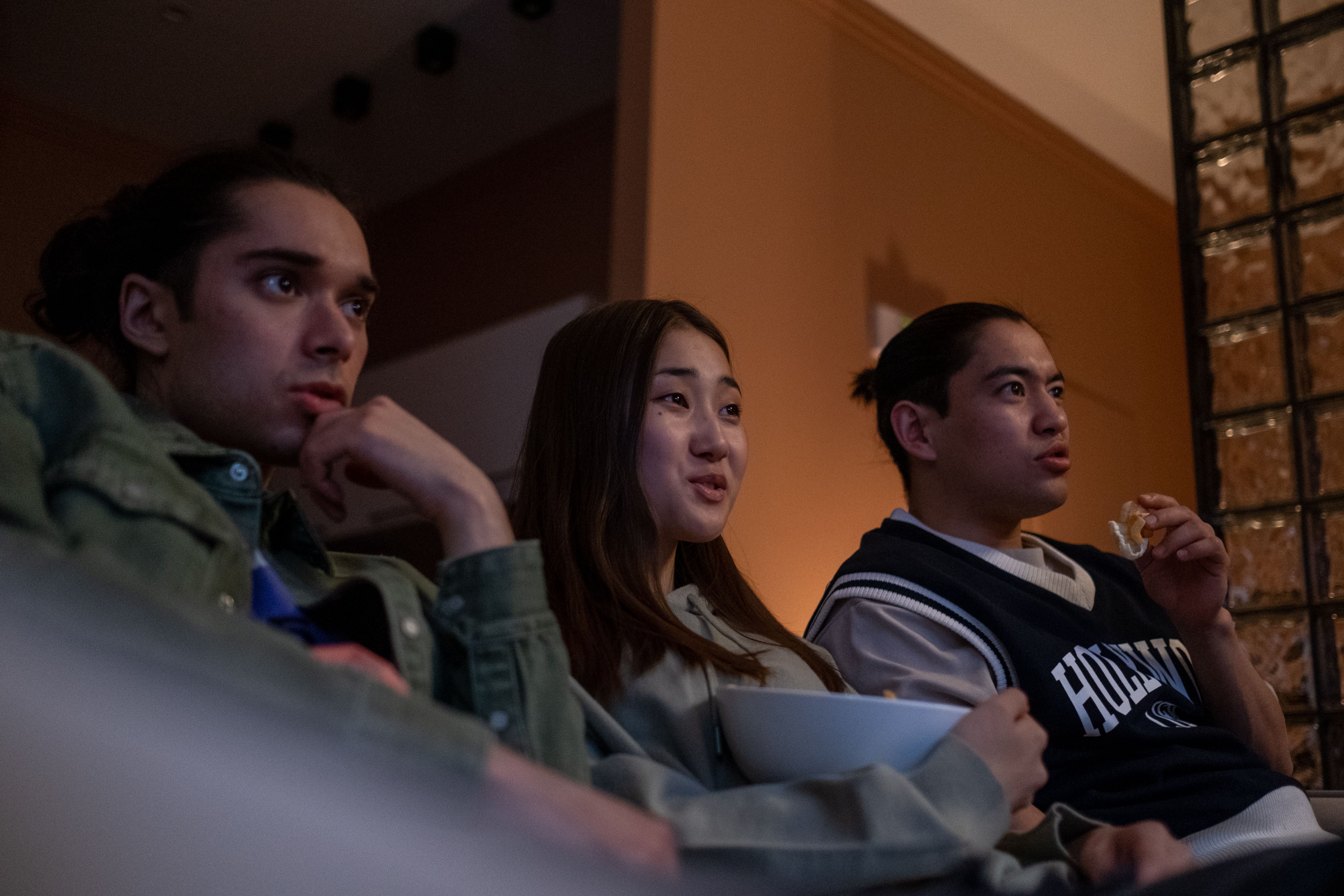
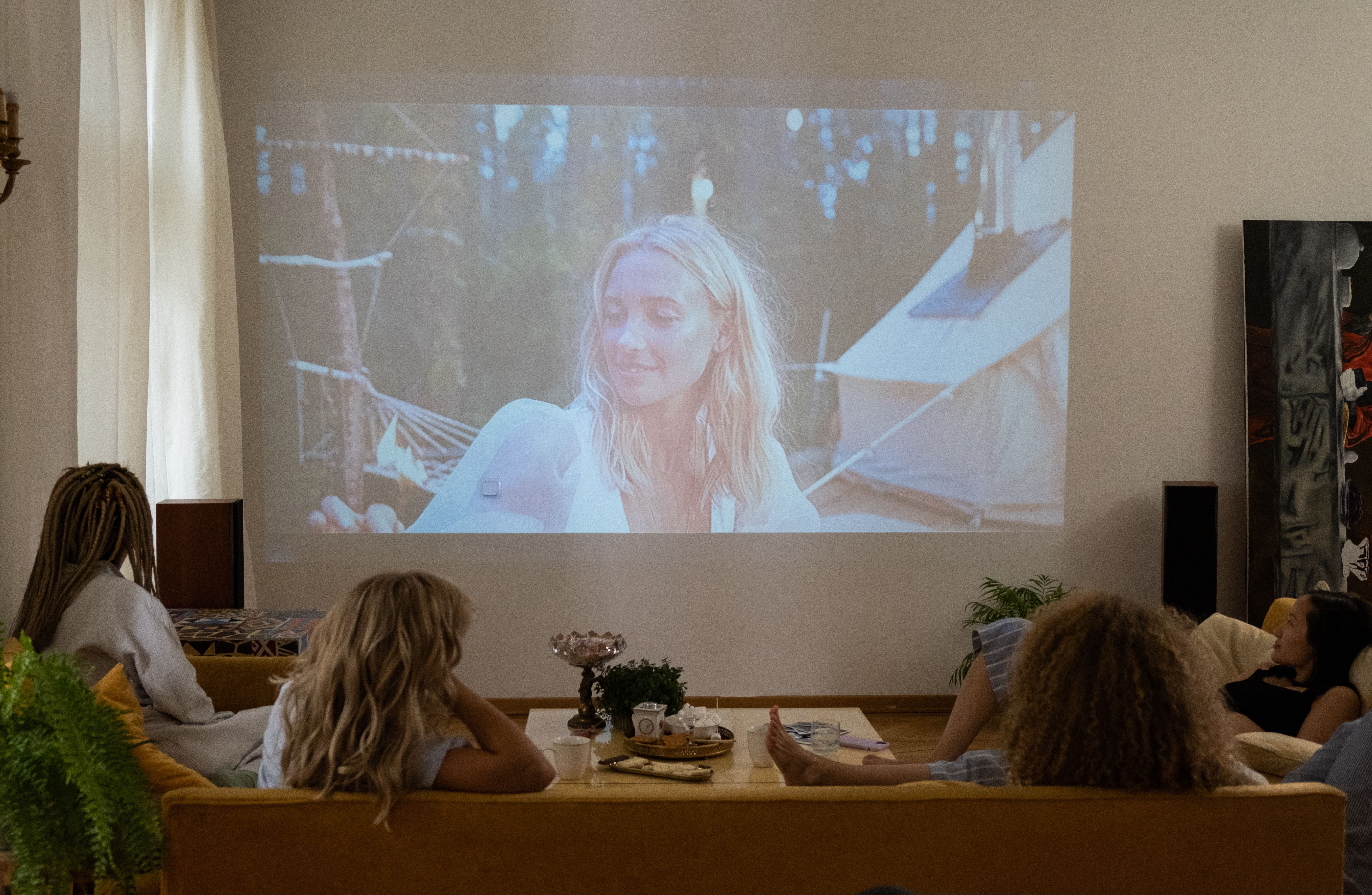
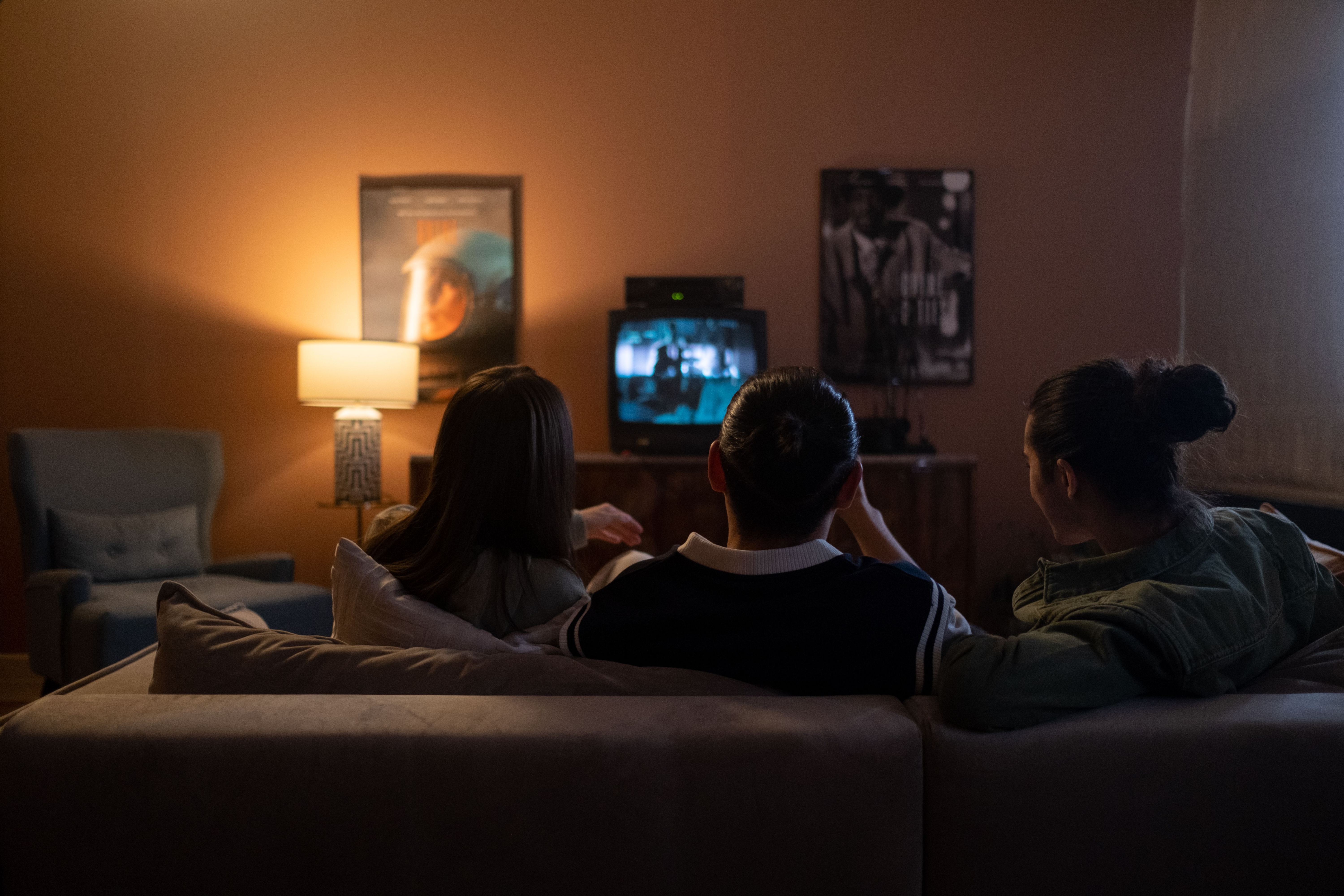
The best villa movie night ideas begin with the people watching: children excited about an animated adventure, friends ready for a comedy or grandparents rediscovering a favourite story. At Hanami Villa Danang, we believe an evening together can become as memorable as a day exploring the city. Our private cinema offers a setting for that shared experience, without another journey after dinner. Join us as we explore how to choose a film, agree on languages and subtitles, prepare refreshments and organise a relaxed screening. A little preparation leaves more time for enjoying the story and the company.

Let the evening match the mood of your holiday

A movie night works especially well when it answers what your group needs that day. After a busy excursion, a familiar comedy may feel more inviting than a complicated thriller. On a quieter day, you might enjoy building an evening around a particular theme, with dinner and a short game beforehand. Avoid planning an elaborate programme simply because the calendar has an empty space. Think about energy levels, tomorrow’s plans and how many guests genuinely want to join. The aim is to create an enjoyable option within the holiday, with enough flexibility for anyone who prefers an early night.
Discover a private cinema within your shared retreat

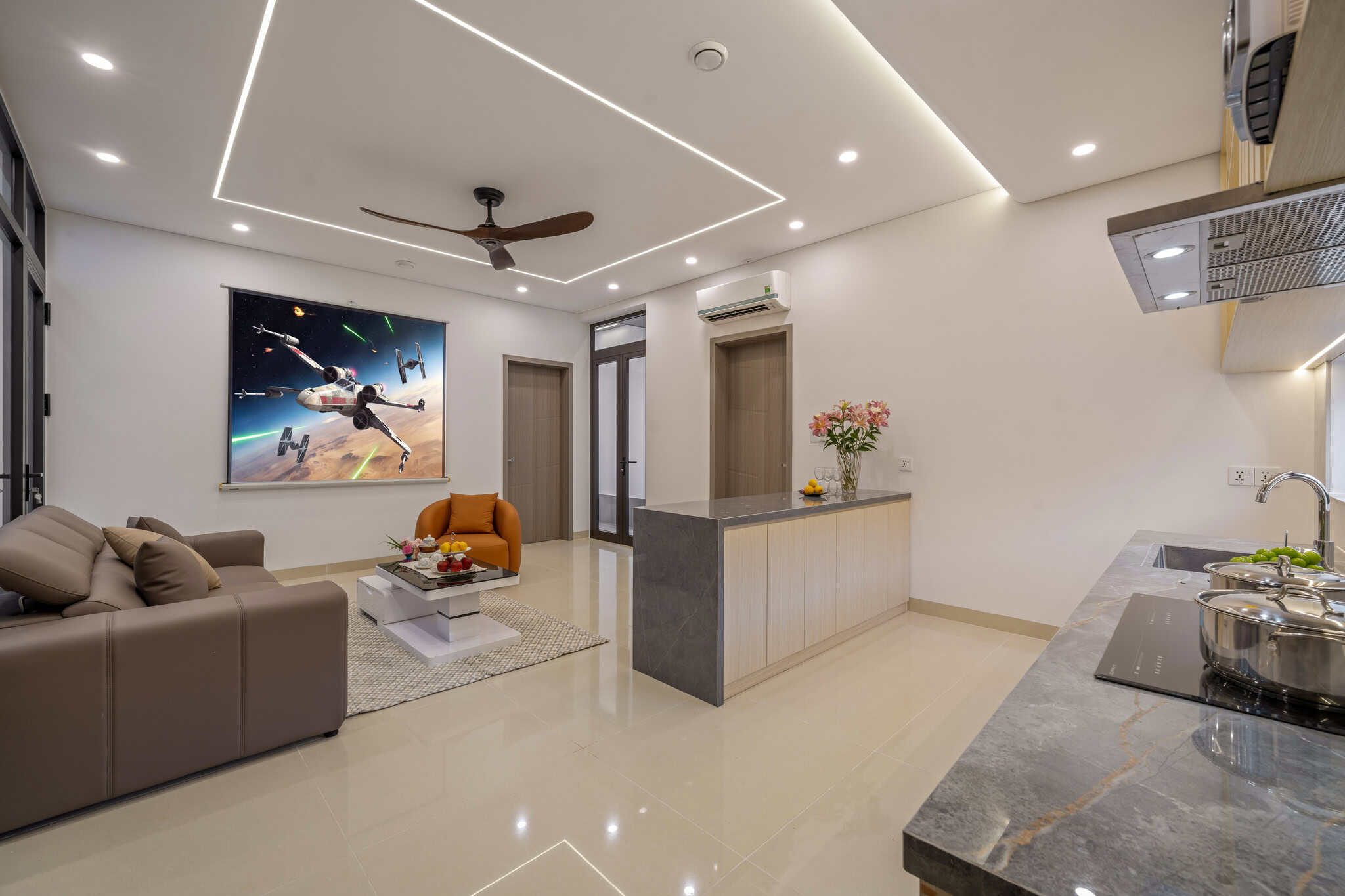
Hanami Villa Danang combines a private cinema with the everyday comforts of an entire villa. Approximately 600 square metres, six bedrooms and eight large beds provide space for families and friends to gather while maintaining separate places to rest. The cinema adds another way to enjoy time at home between outings, meals and pool afternoons. Before planning your screening, ask our team about the room’s actual seating arrangement and suitability for your viewing group. Accommodation capacity should not be treated as cinema seating capacity, and photographs alone may not answer every question about comfort or access.

Choose the audience before choosing the film

Begin by confirming who plans to watch and their approximate ages, interests and preferred viewing language. A film suitable for a group of adults may not work for children or guests who dislike frightening scenes. Ask parents to review age suitability and content descriptions rather than relying solely on an animated appearance or a familiar title. Consider running time too: a shorter story may suit a mixed-age audience better than a lengthy feature. Once those boundaries are clear, narrow the choice to a few options. This makes selection quicker and gives everyone a reasonable chance of enjoying the evening.

Give younger viewers a comfortable place in the plan

For families with young children, an earlier screening can fit more naturally around dinner and bedtime. Choose a story that suits their attention span, and explain that taking a break or leaving before the end is fine. Keep an adult available to accompany children who need something outside the room. If the wider group wants a different film later, arrange a separate session where practical and permitted. There is no need to make one choice satisfy every age. A thoughtful family screening lets children participate without asking them to follow an adult schedule or remain seated longer than they enjoy.

Find common ground for friends and different generations

A familiar comedy, an accessible adventure or a film someone remembers fondly can give a mixed group an easy starting point. Ask each person for one suggestion, then create a shortlist that respects the agreed content preferences. Choose by a quick vote and keep a runner-up available if access or technical problems affect the first choice. Avoid spending the first hour browsing while everyone waits. For a multigenerational group, invite someone to explain why their suggestion matters to them. That small introduction can turn the selection into a conversation and make an older favourite feel fresh to other viewers.

Agree on audio and subtitles before pressing play

Language choices deserve the same attention as the film itself, particularly when relatives or friends speak different first languages. Confirm the available audio tracks and subtitles for the exact version you intend to use. Younger children may find subtitles difficult to follow, while some adults prefer original-language audio. Discuss what will work best rather than assuming English is everyone’s easiest option. Start a short preview so viewers can check subtitle readability, dialogue clarity and comfort. Resolving these details before the film begins prevents repeated interruptions and helps everyone follow the story from its opening scene.


Ask how the cinema connects to your chosen content

Contact our Nami Stay team before arrival to ask how the cinema system is operated and which connection methods it supports. Explain whether you hope to use a personal device, an available application or another supported source. Confirm any required cables, adapters, account access or connection steps rather than assuming casting or a particular streaming service is available. Ask which content sources guests may use and whether there are relevant limitations. The confirmed feature is the private cinema itself; specific platforms, subscriptions, screen specifications and device compatibility should only form part of your plans once the team has clarified them.

Test the setup while there is still time to adjust

Arrange a brief equipment check before your planned gathering, following the instructions provided by the villa team. Confirm that your chosen content opens, the sound is audible and the required language options work. If the arrangement depends on an internet connection, test playback rather than relying only on a device showing that it is connected. Use authorised content sources and your own accounts where required. A backup film or a simple alternative activity can keep the evening relaxed if the original plan changes. Avoid adjusting unfamiliar cables or equipment without guidance; asking for help early is easier than interrupting a roomful of waiting viewers.

Build a theme around the experience rather than elaborate decorations

A simple theme gives the evening personality without requiring much preparation. An adventure film could follow a day of exploring Da Nang, while a nostalgic choice might inspire everyone to share a childhood cinema memory before watching. For friends, a comedy evening can begin with a lighthearted prediction about the story. Keep any decorations modest and check permission before attaching items or changing the room’s arrangement. The theme should make joining in easy, not create extra work. A few thoughtful touches can connect the film with the holiday while leaving the cinema ready for comfortable everyday use.

Prepare refreshments that are easy to serve and clear away

Choose a small selection of snacks and drinks your group will enjoy, then ask whether food and beverages are permitted inside the cinema. Where appropriate, keep meals in the dining area and bring only approved refreshments into the screening room. Collect dietary requirements before shopping, checking ingredients and any preparation concerns with the guests involved. Individual portions can make distribution simpler and reduce passing containers around during the film. Avoid buying enough for several evenings before understanding what people actually want. Suitable snack choices depend on the viewers’ ages and preferences, and refreshments should remain a pleasant addition rather than the evening’s main task.

Use the kitchens to prepare before everyone gathers

Hanami Villa has two kitchen areas that can support the preparations around your evening. The main kitchen includes an oven, microwave and dishwasher, while the third-floor kitchen and beverage area has a dishwasher and drink-preparation utensils. Ask about the equipment and serving items needed for your particular plan, rather than assuming identical facilities in both spaces. Prepare approved refreshments before the start time and leave the counters organised. If you prefer dinner before the screening, keep it straightforward enough to finish comfortably. A clear transition between eating and watching helps guests settle in without someone remaining behind to complete every preparation.

Give the evening a clear but flexible start time

Choose the start time around the group’s real schedule, allowing for showers, dinner and a few minutes to get comfortable. Work backwards from the film’s running time if children need an early finish or the next day begins with an excursion. Share the plan in advance so guests can decide whether to join without feeling hurried. A short reminder before the screening is more useful than repeatedly delaying while nobody knows what is happening. Consider a planned pause if the film is longer or viewers need a break. The schedule should support everyone’s comfort while keeping the evening unhurried.

Add a short activity before the opening scene

A small pre-film activity can bring the group together before the lights change. Invite guests to guess the ending from a short description, share a favourite cinema memory or choose the evening’s unofficial “best snack.” Keep the activity brief and accessible, particularly for children and guests speaking different languages. If everyone has spent the day apart, a few minutes of conversation may be enough. There is no need to turn the screening into a competition with complicated rules. The most enjoyable introductions create a sense of occasion and help the group move naturally from daytime activities into a shared evening.

Make comfort and consideration part of the screening

Ask about room access and seating if anyone has mobility or other practical requirements, and discuss the most suitable arrangement with the team. Keep entrances and walkways clear. Agree on a comfortable volume and follow the villa’s usage hours, remembering that other members of your own group may already be resting. Encourage phones to be silenced and screens kept dim so they do not distract nearby viewers. Guests should feel free to step outside quietly when needed. These small courtesies matter more than elaborate hosting, allowing everyone to enjoy the film without feeling obliged to sit through discomfort or interruptions.

Leave space for the conversation after the credits

Some of the most memorable moments happen once the story ends. Ask guests which scene stayed with them, whether the film matched their expectations or what they would choose for another evening. Keep the conversation optional and move it to an appropriate shared space if others are ready for bed. Collect refreshments, return any moved items according to the team’s guidance and leave the cinema tidy. If you used a personal account, sign out and remove any device connection when finished. A simple closing routine helps protect your privacy and keeps Hanami villa’s facilities for the remainder of your stay.

Plan your evening with Hanami Villa Danang

When enquiring about your stay, tell our team how many adults and children may join the screening and whether a particular connection or content source matters to your plans. Ask about cinema seating, operating instructions, permitted refreshments and suitable viewing hours. These details help you prepare around the actual facilities while keeping your luggage light. The private pool, rooftop and shared kitchens offer other ways to spend time together, but your evening does not need to include everything. Start with your group’s interests, confirm the practical arrangements and choose a screening that fits naturally into your Da Nang holiday.

  • Address: 276/7 Ngu Hanh Son, Danang, Vietnam
  • Phone: 0905 432 992

Let a night indoors become a favourite holiday memory

The most rewarding villa movie night ideas bring together a suitable film, a comfortable setting and people who are happy to share the experience. Agree on ages, languages and timing, check the cinema setup and keep refreshments and activities simple. At Hanami Villa Danang, we invite you to enjoy evenings that feel as much a part of the holiday as your days exploring the city. Share your dates and practical questions with our team, then look forward to a private stay with room for adventure outside and memorable moments together at home.

Ordering Food Delivery to a Villa Da Nang: What Groups Should Know

Planning food delivery to a villa Da Nang gives your group another way to enjoy the city while keeping the evening comfortably your own. After a beach outing or a busy day exploring, dinner at home can feel especially appealing. At Hanami Villa Danang, we invite you to discover how a little coordination can turn a delivery order into a relaxed shared meal. From entering the correct address to checking portions and arranging the handover, this guide helps families and friends organise food around their plans, with more time left for conversation and enjoying the villa together.

Choose the meal before choosing the restaurant

Start with the occasion: a quick arrival dinner, lunch between activities or an evening when everyone wants to gather around the same table. Confirm who is eating, how hungry they are and whether children need an earlier meal. Decide whether individual dishes or shared plates make more sense before browsing menus. This gives your search a clear direction and helps prevent a small order from growing into several unrelated purchases. Agree on a budget that includes delivery and other checkout charges, then nominate one person to collect choices and place the order once everyone has decided.

Discover delivery options by entering your location first

GrabFood and ShopeeFood offer food-ordering options in Da Nang, making them useful starting points for exploring available restaurants. However, their presence in the city does not mean every restaurant serves every address. Enter the villa’s location before comparing menus, then review the options shown for your delivery point. Restaurant availability, ordering hours and delivery estimates need to be checked when you place the order. GrabFood explains that available hours depend on restaurants serving the address and their operating times, so a general citywide schedule cannot reliably tell you what your group can order for a particular evening. shopeefood.vn

Read the checkout details as carefully as the menu

Before confirming, check the selected restaurant, item quantities, modifications, receiving address and complete payable amount. Review any packaging charges, delivery fees and discount conditions shown for the order. An appealing promotion is only useful if it applies to the dishes and quantities your group actually wants. Check the current delivery estimate too, especially if dinner needs to fit around children’s bedtimes or another activity. For a substantial order, contact the restaurant if its ability to fulfil the quantities is uncertain. A final review can catch duplicate dishes, missing accompaniments and address errors while they are still straightforward to correct.

Enter the complete villa address without shortening it

Use 276/7 Ngu Hanh Son, Danang, Vietnam, together with Hanami Villa Danang as the property name. Preserve the complete number “276/7” rather than entering only the main street number. If an ordering platform requests additional location fields, ask our team which selection matches the property instead of guessing. Include the name and reachable number of the guest receiving the food. Use your own contact details unless another receiving arrangement has been agreed. The villa’s telephone number is available for accommodation enquiries, but it should not automatically be entered as the contact for every delivery.

Check the map pin against the confirmed receiving point

After entering the address, inspect the map pin rather than assuming the suggested location is correct. Compare it with the location information provided for your stay and ask our team if the entrance or receiving point needs clarification. The address, pin and written instructions should all direct the rider to the same place. If the rider requests help, send the confirmed location through the available communication channel and remain reachable. Avoid adding unverified landmarks or directions copied from another nearby property. Accurate information is particularly helpful when several deliveries are expected or someone unfamiliar with the area is placing the order.

Write a delivery note that makes the handover easy

Keep the note short enough to read quickly and specific enough to be useful. For example: “Hanami Villa Danang, 276/7 Ngu Hanh Son. Please message me when you arrive. I will meet you at the agreed entrance.” Adjust this wording to the arrangements confirmed during your stay. Include the receiving guest’s name if it helps identify the order, but avoid sharing access codes or unnecessary booking information. Meeting the rider at the agreed point is usually easier to coordinate than expecting food to be carried into a private dining area. Keep your phone nearby once the order is on its way.

Build the order around clear portions

A dish’s photograph rarely explains whether it is intended for one person or several. Read descriptions carefully and ask the restaurant about serving sizes where the menu is unclear. Confirm whether rice, noodles, bread, sauces and other accompaniments are included or require separate purchases. For shared meals, think about the complete spread: several mains may still leave the group short of vegetables or staple sides. Children’s portions should reflect their actual appetites rather than an automatic adult-sized allocation. Choose quantities that suit the meal, keeping in mind any snacks, starters or desserts your group also plans to enjoy.

Make individual and shared dishes easy to identify

Keep a simple order summary with each dish, quantity and intended recipient. Identify communal plates separately from meals reserved for particular guests. This is especially useful when several similar containers arrive together or when people have requested different seasonings and accompaniments. Ask whether separately prepared meals can be labelled, and keep any confirmation available when the order arrives. The group does not need a complicated system: a short note on one phone can be enough. Its purpose is to make ordering accurate and serving effortless, so guests can settle down to eat without reopening the menu to remember who chose what.

Check dietary requirements before submitting the order

Ask about allergies, vegetarian or vegan diets, ingredient exclusions and children’s preferences before choosing dishes. Where a requirement affects suitability, check it directly with the provider rather than relying only on a menu label or an unconfirmed order note. Sauces, stocks, marinades and toppings may need clarification alongside the main ingredients. Ask the guest concerned to review the information and choose an alternative if the restaurant cannot confirm an appropriate arrangement. When food arrives, keep separately prepared meals identifiable until they reach the intended recipient. Clear communication is more helpful than assuming a dish will suit someone because an unwanted ingredient is not visible.

Give delivery a realistic place in your evening

Choose an intended mealtime, then review the live preparation and delivery estimates before ordering. Leave some flexibility instead of arranging dinner immediately before a fixed departure or activity. If your group is returning from an outing, ensure someone will be at the villa to receive the food; an unexpected transport delay should not leave the rider waiting. Where advance scheduling is available, check the conditions for that particular order. For younger children, an earlier meal may work better than waiting for everyone’s dinner. Planning around the people eating is often more useful than trying to make every dish arrive at precisely the same moment.

Keep separate restaurant orders manageable

Ordering from different restaurants can accommodate preferences, but it also creates separate preparation times, delivery charges and handovers. Decide whether guests are comfortable eating as food arrives or whether sharing one restaurant order would make the evening easier. If you choose multiple providers, keep the order references and recipients clearly recorded, and nominate someone to monitor each delivery. Matching estimated arrival times does not guarantee simultaneous service. A small number of well-coordinated orders usually creates less confusion than several people ordering independently without telling one another, particularly when the group hopes to sit down together.

Coordinate receiving arrangements with the Nami Stay team

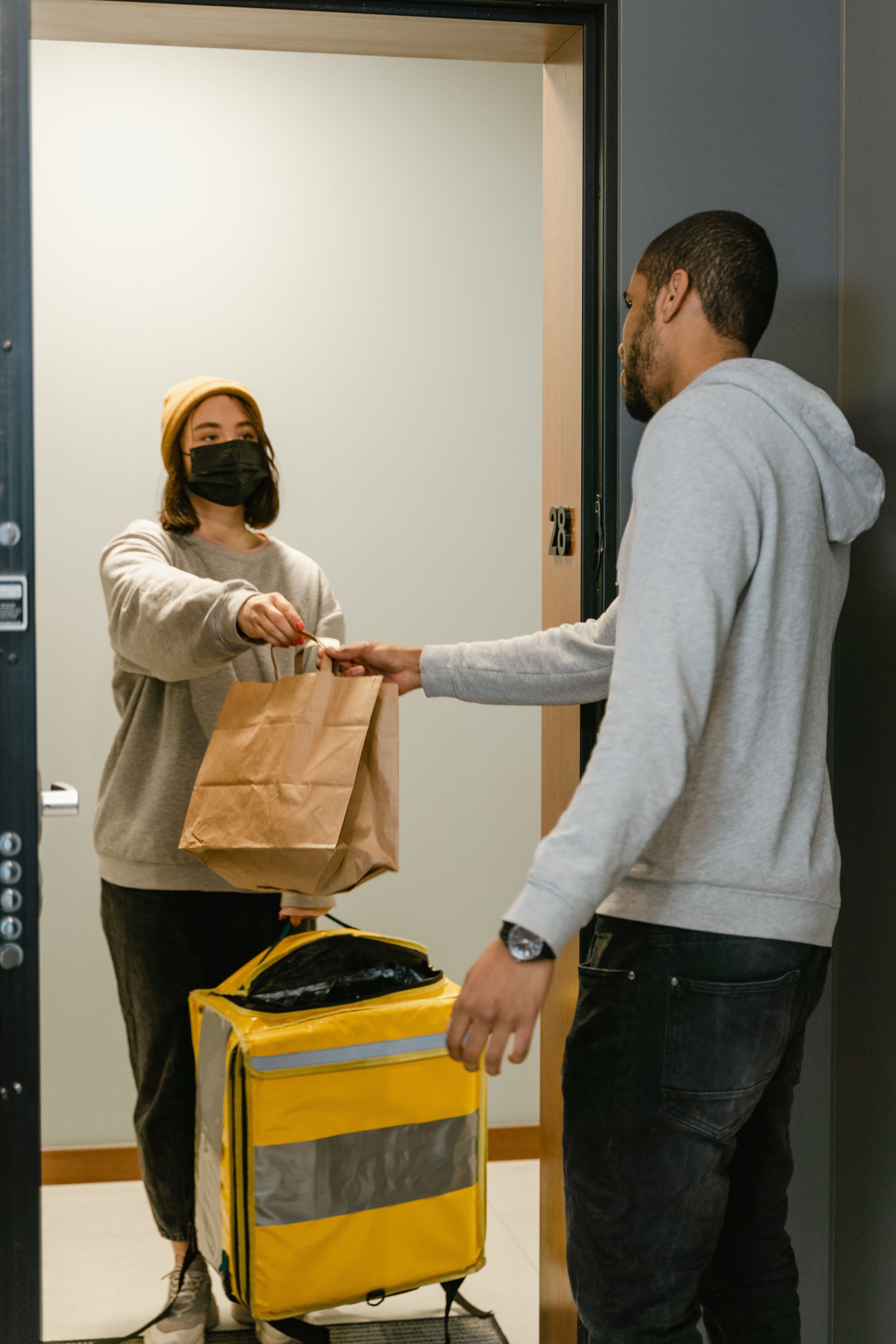
Ask our team about the appropriate receiving point and any access considerations during your stay. Nominate a guest who can follow the order, answer the rider and complete the handover. If you need assistance, discuss it in advance rather than assuming staff will receive, pay for or store food automatically. This is particularly important for late deliveries or orders expected while everyone is using another part of the villa. Keeping one clear contact avoids several people giving different directions. It also helps preserve your group’s privacy by ensuring the rider knows where the delivery should end.

Make the shared dining area part of the experience

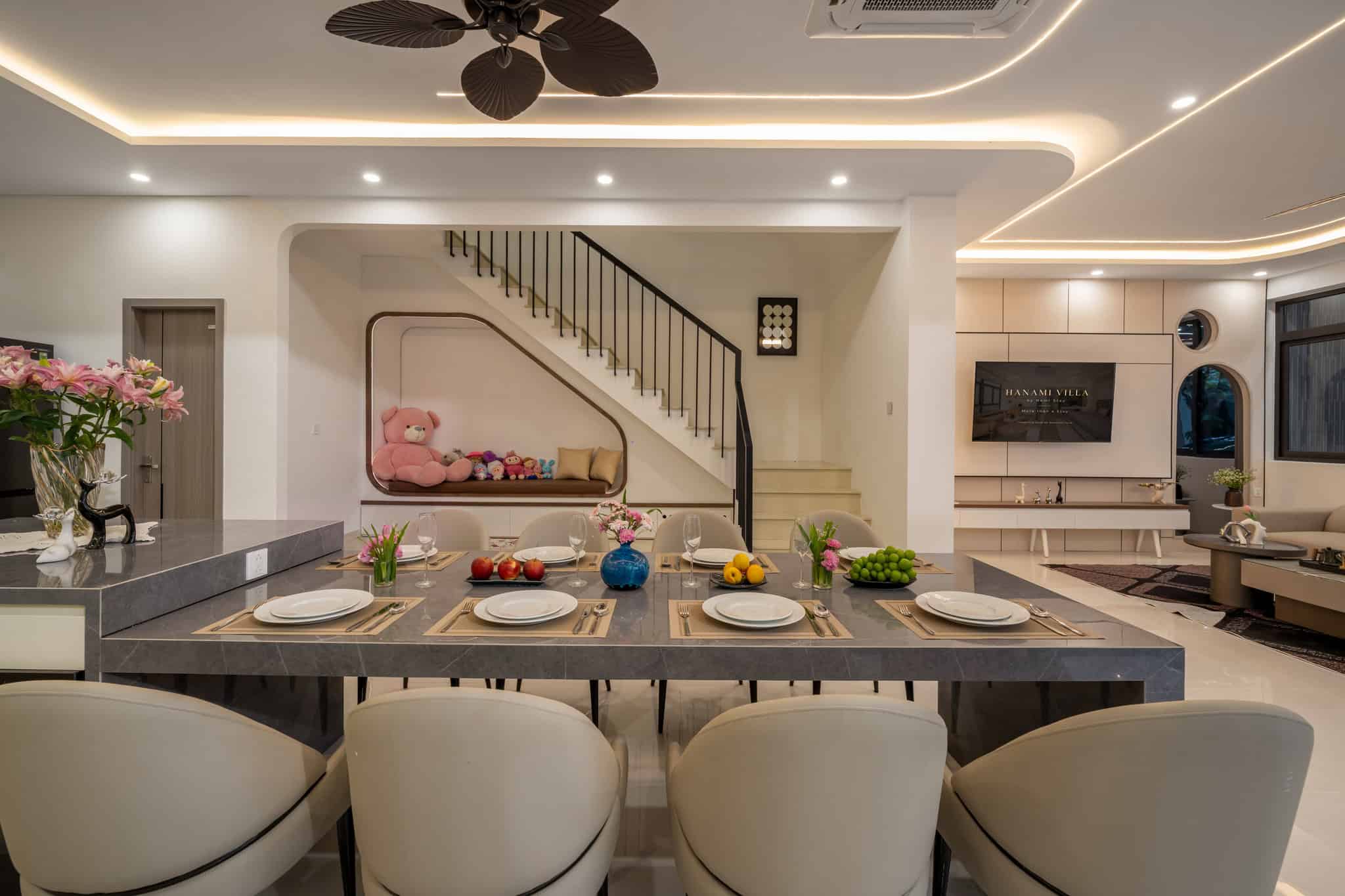
Hanami Villa Danang offers approximately 600 square metres, with six bedrooms and eight large beds, creating a private setting for families and friends to stay together. Shared living and dining spaces give delivered meals a place within the holiday itself. Rather than eating separately in bedrooms, your group can gather, compare favourite dishes and plan the following day. Ask about the dining layout and seating if everyone needs to eat together at once. A generous property still needs to be matched to your actual group, particularly when children, older relatives or guests with particular seating requirements are joining the meal.

Use the kitchens to organise serving and clearing up

The villa has two kitchen areas. The main kitchen includes an oven, microwave and dishwasher, while the third-floor kitchen and beverage area has a dishwasher and drink-preparation utensils. These spaces can help your group organise drinks, serve meals and clear the table afterwards. Confirm available tableware and any equipment important to your plans rather than assuming both areas contain the same items. Before food arrives, clear a suitable surface and arrange what you need. If reheating is necessary, follow the appliance and food instructions, checking that containers are suitable instead of putting delivery packaging directly into an oven or microwave.

Check the delivery and settle shared costs promptly

Compare the received food with the order summary before distributing everything, checking quantities, separately packed meals and any missing accompaniments. Keep the order reference and receipt available if you need to contact support. For shared payments, allocate individual dishes to their recipients and divide communal items using the method agreed before ordering. Decide how delivery fees and discounts will be handled, especially when guests used different restaurants. Record repayments so nobody is asked twice. Clearing up together afterwards keeps the meal easy for the organiser too, leaving the dining space comfortable for breakfast or another gathering.

Ask about your dining plans before arrival

When enquiring about Hanami Villa Danang, share your dates, adult and child numbers and any dining requirements that influence your stay. Our Nami Stay team can explain the property’s shared facilities and receiving arrangements so you can plan with confidence. Restaurant availability, delivery coverage and ordering times should still be checked when placing each order. If your plans include a large meal or several deliveries, a short conversation beforehand can help clarify the practical details. Begin with your accommodation needs, then build an evening that suits your group’s appetite, routine and preferred way of spending time together.

  • Address: 276/7 Ngu Hanh Son, Danang, Vietnam
  • Phone: 0905 432 992

Enjoy an evening that moves at your own pace

Well-organised food delivery to a villa Da Nang brings convenience to the moments when your group would rather stay in. Confirm the location, choose sensible portions, agree on timing and keep someone ready for the handover. At Hanami Villa Danang, we invite you to enjoy shared meals as part of a comfortable private stay, with space to relax before and after dinner. Contact our team with your dates and practical questions, then look forward to a holiday evening where a good meal and familiar company are all the plans you need.

Villa BBQ Dinner Planning: A Practical Guide for Your Da Nang Stay

Good villa BBQ dinner planning creates the kind of evening people remember: food arriving at the table in relaxed stages, conversations continuing between courses and everyone finding something they enjoy. At Hanami Villa Danang, our rooftop BBQ area and kitchen facilities provide a setting for families and friends to share that experience. Join us as we explore how to organise the guest count, choose a manageable menu, estimate ingredients and divide responsibilities. Start with the practical arrangements, then leave room for the pleasure of cooking, eating and spending an unhurried evening together.

Picture the evening before writing your shopping list

Begin by deciding what you want the dinner to feel like. A casual meal after sightseeing needs a different approach from a birthday gathering or a longer evening with several courses. Consider when your group will return to the villa, how much preparation people are willing to do and whether children need to eat earlier. Keep the plan realistic enough that the person cooking can enjoy the occasion too. A simple menu served comfortably often works better than an ambitious spread that keeps someone beside the grill all evening. Once the format is clear, equipment and shopping decisions become easier.

Discover the spaces that bring dinner together

Hanami Villa Danang combines a rooftop BBQ area with two kitchen spaces, giving groups different places to prepare food and gather. The main kitchen includes an oven, microwave and dishwasher. The third-floor kitchen and beverage area has a dishwasher and drink-preparation utensils, making it relevant when organising refreshments and clearing up. These features support shared dining, but they do not establish which grilling accessories or consumables are included. Ask our team about the actual arrangement for your booking, including preparation areas, seating and carrying food between floors, before deciding how your evening will run.

Confirm equipment, fuel and charges first

Before buying ingredients, ask which BBQ equipment is available and how guests are permitted to use it. Confirm the grill type, approved fuel, cooking tools, serving dishes and any items you must arrange separately. Ask about setup assistance, operating instructions, cleaning responsibilities and applicable charges, including fuel or additional cleaning where relevant. Establish the permitted hours and whether advance notice is required. A rooftop BBQ area should not be interpreted as an inclusive catering package. Clear answers help your group prepare accurately and prevent someone from purchasing incompatible fuel or ingredients that do not suit the available cooking setup.

Finalise who is eating and who is visiting

Confirm the number of adults and children joining dinner, rather than relying on the accommodation booking alone. Some guests may eat elsewhere, while others may have smaller appetites after a late lunch. If you hope to invite people who are not staying at the villa, discuss permission and any conditions with our team beforehand. Hanami Villa has six bedrooms and eight large beds and accommodates up to 20 overnight guests with a suitable sleeping arrangement; this does not automatically establish permission for additional dinner visitors. A confirmed headcount gives you a dependable basis for seating, shopping and budgeting.

Choose a short menu with something for everyone

Build the meal around a few dishes that complement one another and can be prepared without complicated timing. For example, your group might choose two grilled protein options, vegetables, a rice or bread accompaniment and fresh fruit. This is an illustrative menu, not a package offered by the villa. Consider how long each item needs on the available grill and avoid selecting everything simply because it sounds appealing. Keeping the menu focused makes shopping more accurate, reduces competing preparation tasks and allows food to reach the table steadily. It also leaves space for guests to enjoy the meal without excessive leftovers.

Collect dietary requirements before marinating anything

Ask about vegetarian or vegan diets, allergies, ingredient exclusions and children’s preferences before finalising dishes. Check sauces, marinades and accompaniments as well as the main ingredients, keeping original packaging available where needed. Discuss separate utensils and preparation arrangements with the guests concerned; a shared BBQ should not be assumed to meet every dietary requirement. If the available setup cannot accommodate a particular need, agree on an appropriate alternative before dinner. Strong seasoning can be served separately where practical, allowing guests to adjust their own meals while keeping simpler options available for those who prefer them.

Estimate portions according to the complete meal

Food quantities depend on appetites, children’s ages, the number of side dishes and whether the BBQ is the main meal. As a shopping starting point, allow roughly 200–300 grams of raw boneless meat, fish or a comparable main ingredient per adult, across all protein choices combined. This is an approximate planning allowance, not a fixed serving rule. Bone-in cuts and shell-on seafood require different estimates because part of their purchased weight is not eaten. For vegetarian mains, consider the actual recipe and ingredients rather than making a direct weight-for-weight substitution. Adjust after discussing the menu with your group.

Use a sample basket without treating it as a formula

The table below illustrates a possible starting basket for ten adults having a BBQ dinner with vegetables, rice and fruit. It is not a villa menu, quotation or guaranteed portion guide. The rice allowance assumes rice is the main starch; reduce it if bread or other substantial sides are also served. Count protein quantities across the whole selection instead of buying the full allowance for every individual dish. Children’s portions should be assessed separately with their parents. Before purchasing, review the basket against your actual appetites, recipes and storage space, then adjust quantities rather than following the example automatically.

Food category Illustrative quantity for ten adults What to consider
Raw boneless protein ingredients 2–3 kg total Divide between selected main dishes
Vegetables 1.5–2 kg Adjust for trimming and the planned recipes
Uncooked rice 600–800 g Reduce if other substantial starches are served
Prepared fruit 1–1.5 kg edible portion Choose quantities according to appetite
Sauces and marinades Recipe-dependent Check ingredients and avoid duplicate purchases
Drinking water and other drinks Group-dependent Account for preferences and dinner duration

Set a budget that includes the small purchases

Agree on a total dinner budget before shopping, covering food, drinks and any confirmed BBQ-related charges. Small purchases such as seasoning, approved fuel or serving supplies can change the final amount, so include them when relevant. Decide whether alcoholic drinks and personal extras belong in the shared account or remain separate. Choose one person to record purchases and keep receipts accessible until the cost has been settled. If your group wants catering or help from an outside cook, ask about permission, availability and a complete quotation first. Those arrangements should be assessed separately from using the villa’s kitchen and BBQ spaces.

Divide the work so everyone gets an evening off

Give each task a clear owner without assigning every responsibility to the person who suggested the dinner. One guest can coordinate shopping, another can organise vegetables and side dishes, and someone comfortable with the equipment can manage grilling. Other guests can prepare the table, serve drinks and help clear up. Agree on these roles before cooking starts, then allow people to swap where practical. A brief message in the group chat is usually enough. The aim is to share effort sensibly, ensuring the meal feels like a holiday gathering for the organisers as well as the people arriving at the table.

Shop with the refrigerator and preparation space in mind

Confirm available refrigerator space before buying a large quantity of ingredients, particularly if the group already has groceries stored. Arrange shopping so chilled foods can be returned promptly and stored appropriately until preparation. Keep raw ingredients contained and separate from ready-to-eat food, and follow product storage instructions. Avoid buying heavily simply to create an impressive display: smaller quantities brought out as needed are easier to manage. If food is delivered, coordinate its arrival with someone available to receive it. Planning storage alongside the menu helps prevent the kitchen from becoming overcrowded before the evening has even begun.

Prepare ahead while keeping cooking organised

Complete straightforward jobs before guests gather: organise ingredients, prepare suitable side dishes, check serving items and set aside separate tools for raw and cooked food. Follow the villa’s instructions for operating the BBQ and allow appropriate setup time. Keep uncooked ingredients separate from finished dishes throughout preparation, and use suitable cooking guidance for the foods you choose. A food thermometer can help check doneness where appropriate; appearance alone should not be your only guide. Bring manageable batches to the cooking area rather than leaving all ingredients out. Good preparation gives the cook more control and keeps service moving comfortably.

Let the evening unfold in relaxed stages

A simple schedule helps the meal feel effortless. Finish shopping and initial preparation before the intended gathering time, then serve drinks and a light starter while the first cooked dishes are ready. If children need an earlier dinner, organise their meal separately rather than making them wait for the entire menu. Avoid promising that every dish will appear simultaneously, especially when grill space is limited. Serve in stages that suit the equipment and your group’s preferences. Keep someone responsible for supervising children away from the cooking area so the person handling hot equipment can concentrate on that task.

Keep the rooftop plan flexible

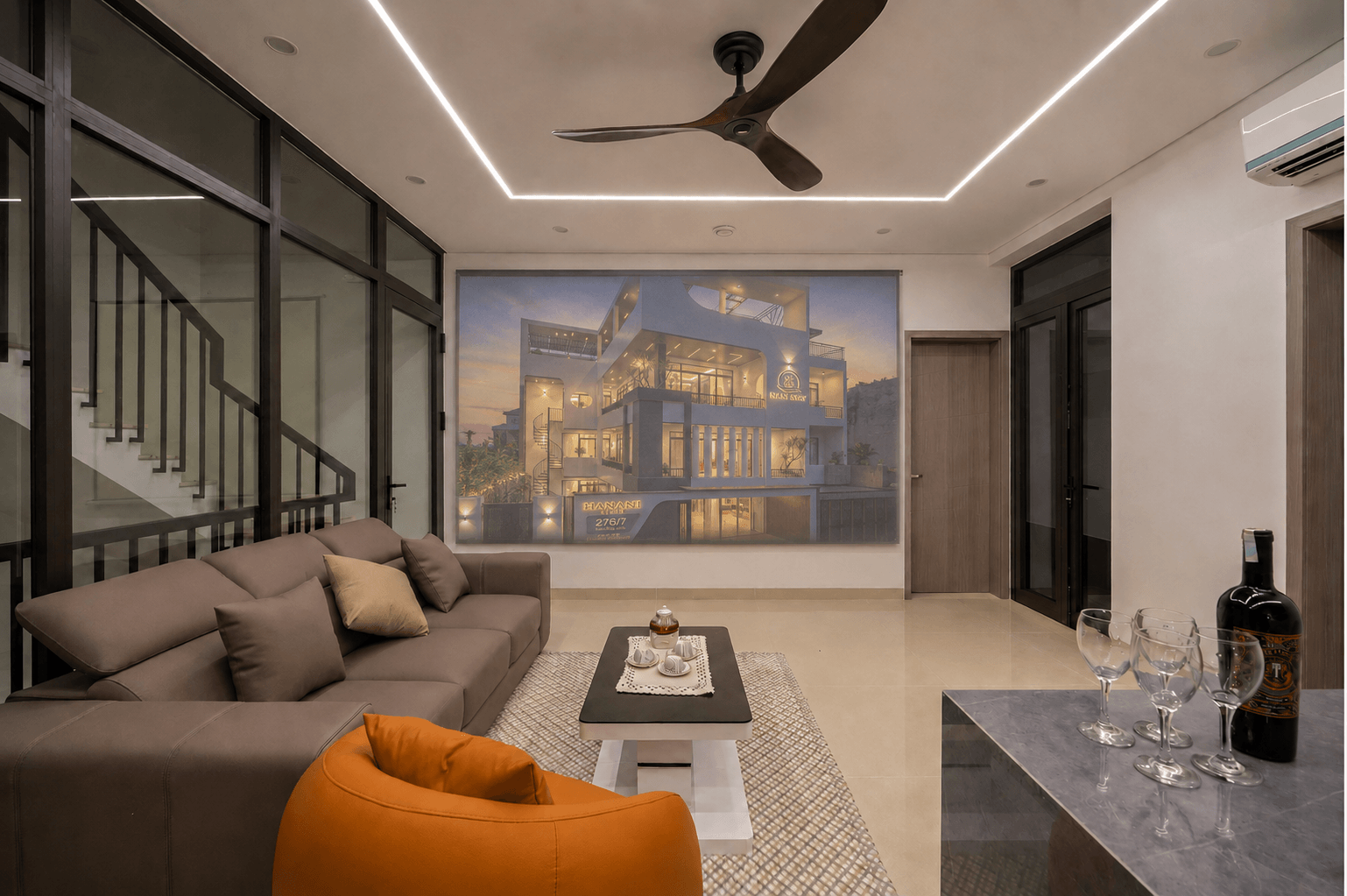
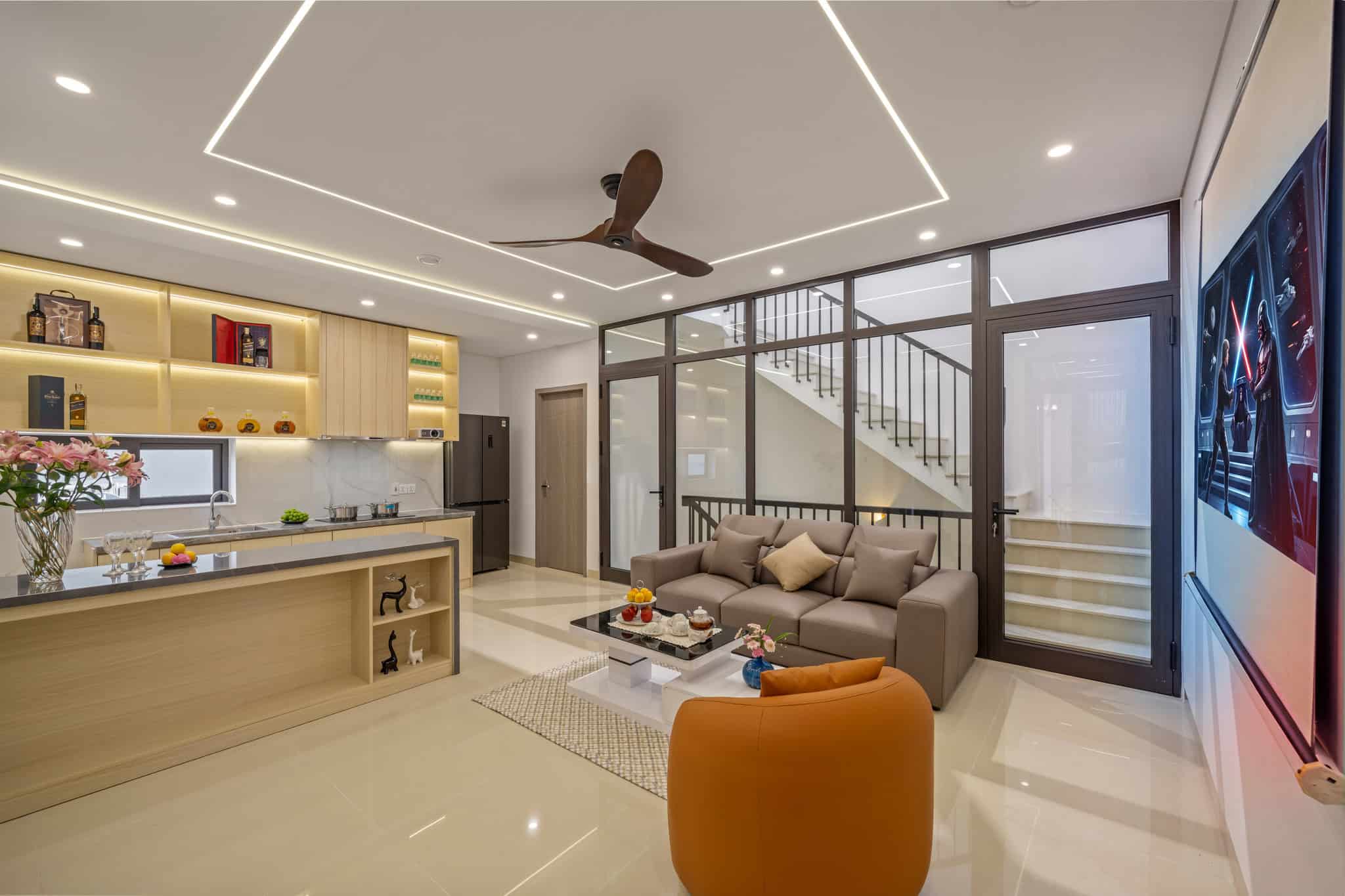
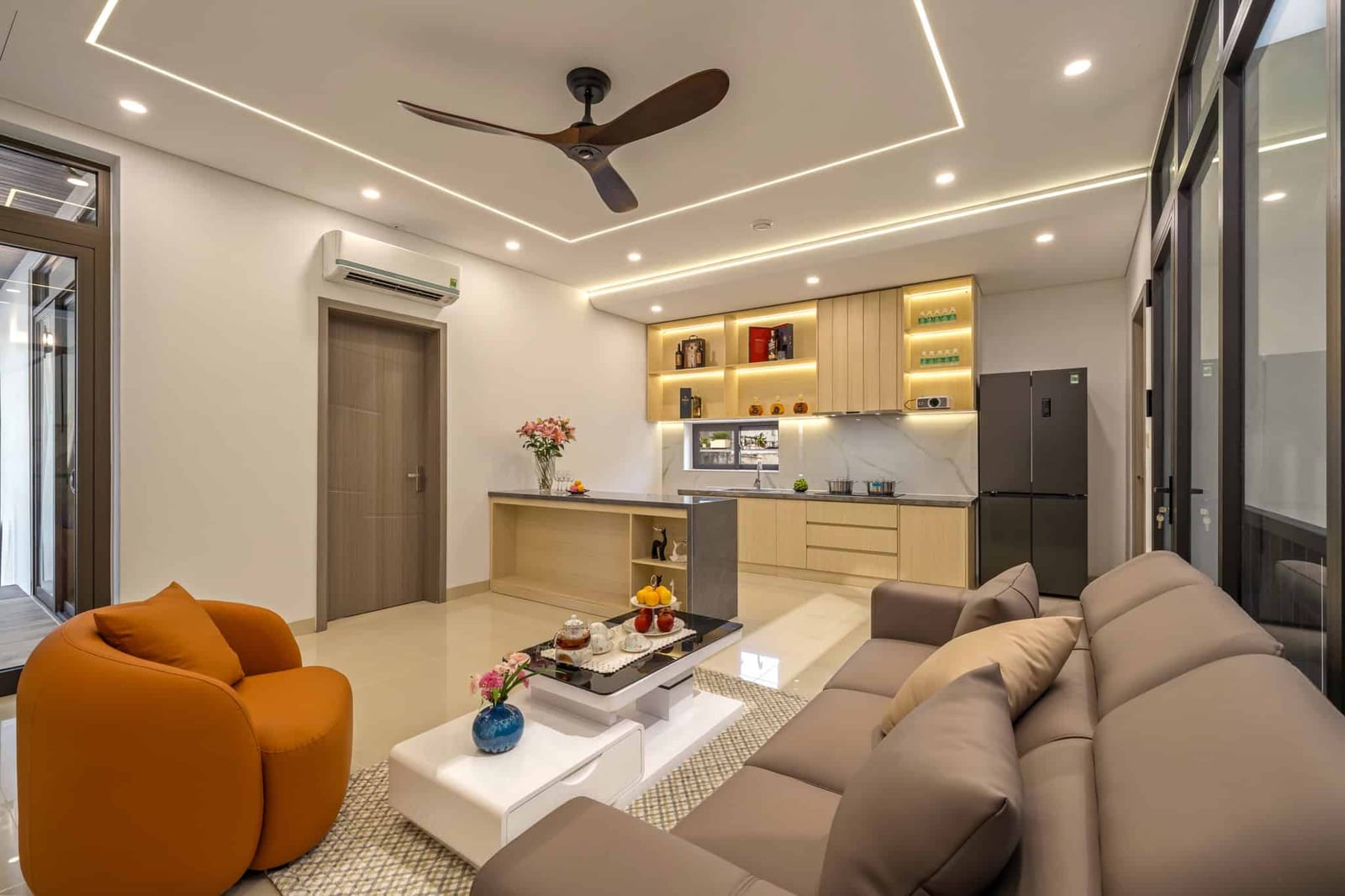
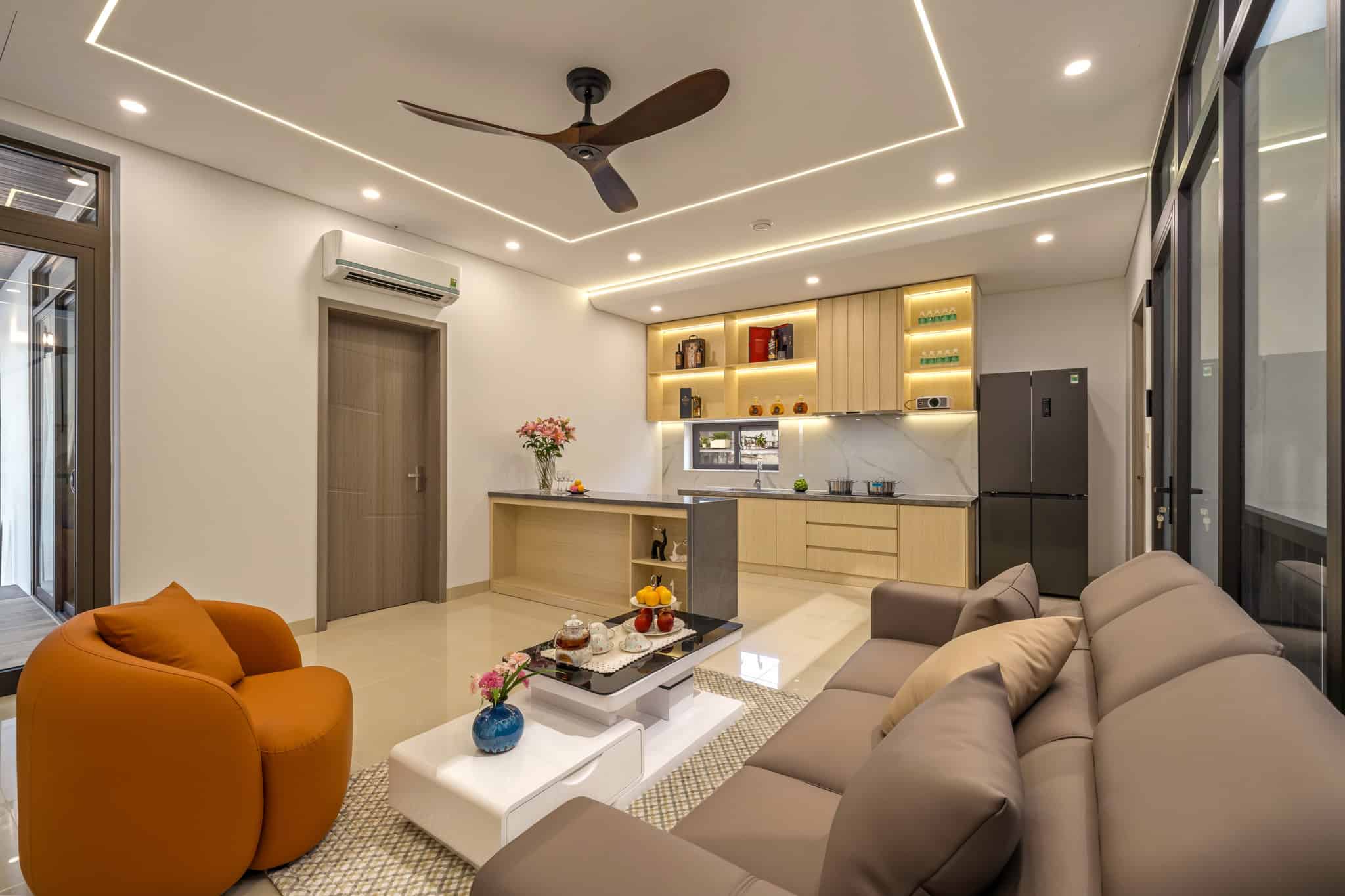
The living room has a brown sofa, orange armchairs, a coffee table, and an open kitchen with wooden cabinets, a ceiling fan, and air conditioning.

Check the expected weather close to your dinner date and ask our team about appropriate alternatives if conditions affect rooftop use. Wind and rain can change what is practical, even when the meal has been carefully organised. Do not move a fuel-burning grill indoors or improvise a new cooking position. Instead, discuss whether an alternative meal using permitted kitchen appliances or an outside food order would suit the evening. Keep music, conversations and departure times within the villa’s rules, including any requirements for visitors. A private group setting still calls for consideration of neighbouring homes and other people nearby.

Include clearing up in the original plan

Before dinner begins, agree who will handle dishes, leftover food and the BBQ area afterwards. Ask which items may go in the dishwasher and how the grill should be cleaned, rather than assuming all tools receive the same treatment. Follow instructions for equipment shutdown, cooling and disposal of approved fuel residues. Keep usable leftovers in suitable containers, refrigerate promptly and follow appropriate storage guidance. Separate rubbish according to the villa’s directions and leave shared surfaces ready for breakfast. Cleaning as you go makes the final tasks smaller and helps the next morning begin with the same relaxed feeling as the evening.

Plan your rooftop dinner with Hanami Villa Danang

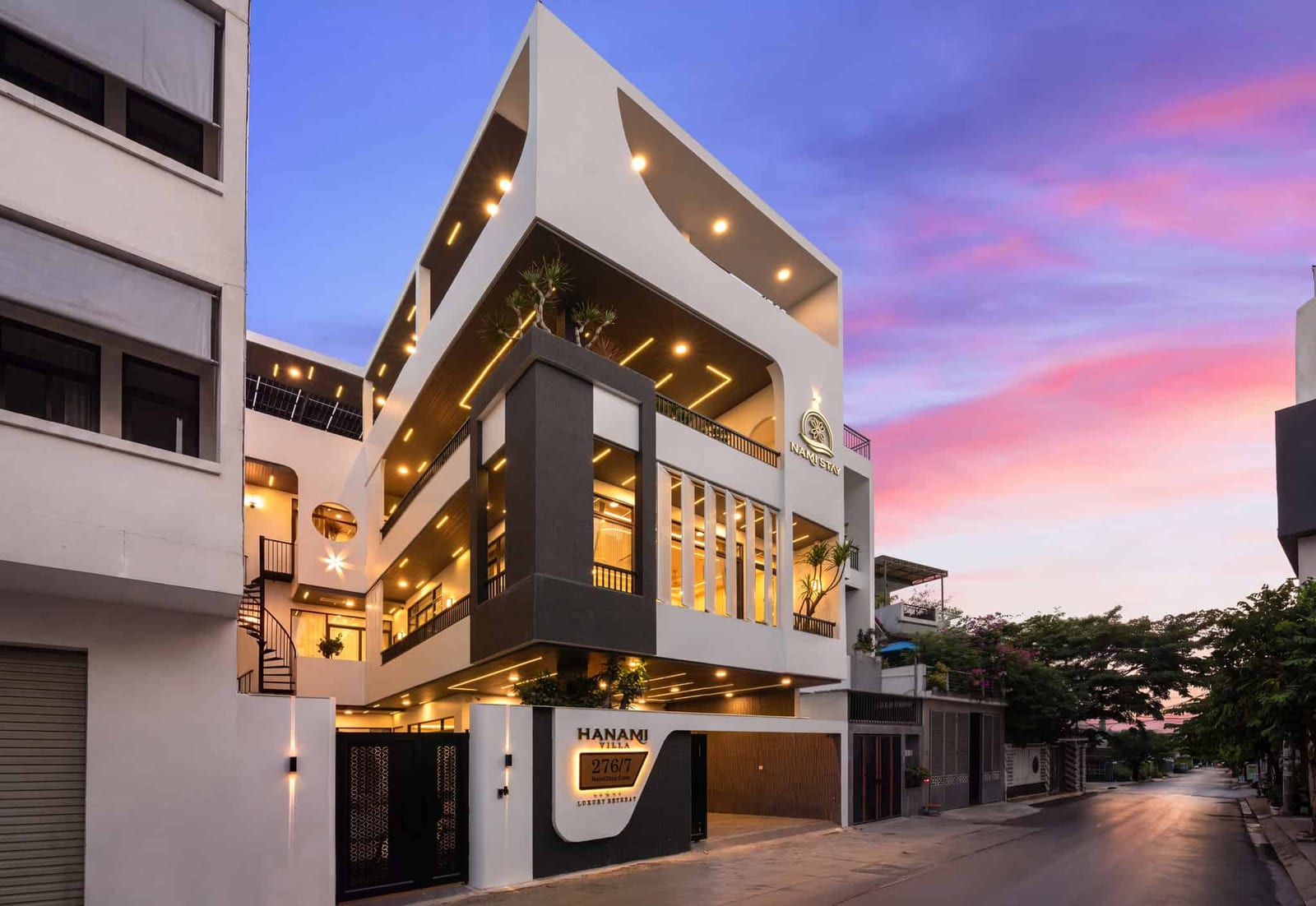
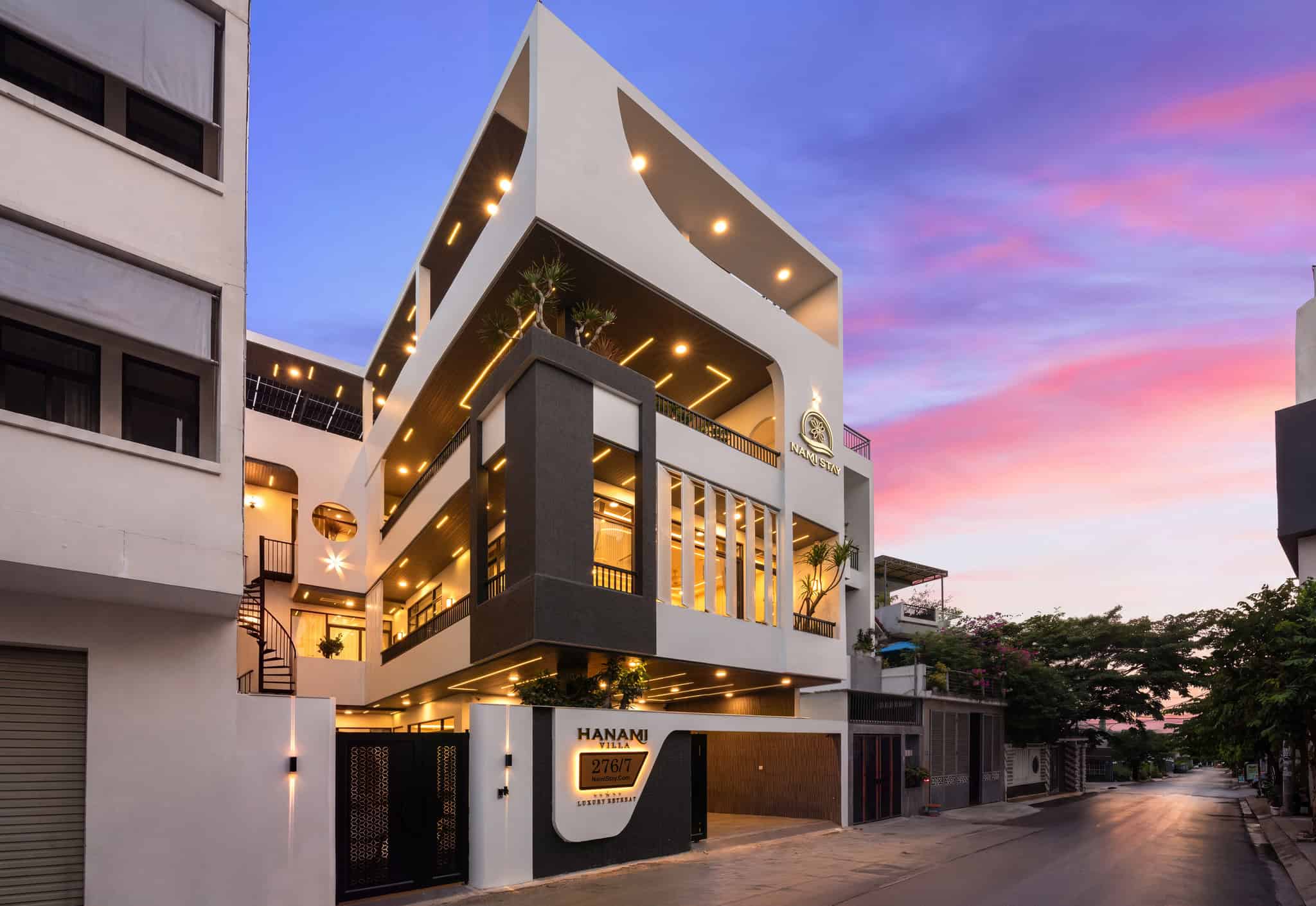
The multi-story hotel building glowed with yellow lights under a purplish-pink sunset sky

Share your preferred dinner date, adult and child numbers, intended menu and any outside visitors with our Nami Stay team. We can discuss the property’s BBQ arrangements and explain what needs confirming before you shop. Include questions about equipment, fuel, permitted hours, preparation space and any charges so your group can plan from clear information. With approximately 600 square metres of space, private bedrooms and shared leisure areas, Hanami Villa offers a setting for spending time together beyond the meal itself. Food, cooking assistance and special setups should only be expected when specifically agreed for your stay.

  • Address: 276/7 Ngu Hanh Son, Danang, Vietnam
  • Phone: 0905 432 992

Make the meal memorable for the right reasons

Thoughtful villa BBQ dinner planning brings the practical details together before the first dish reaches the table. Confirm the setup, choose a focused menu, buy realistic quantities and share both preparation and cleaning responsibilities. At Hanami Villa Danang, we invite you to discuss your plans early so the evening reflects your group’s needs and the villa’s actual arrangements. Once those details are settled, the best part can take its time: a satisfying meal, familiar company and another shared memory from your stay in Da Nang.